BH
Brian Haugh
2 months ago
Great crew and fast response
Professional safety assessment and compliant removal for Colorado homes


Proper evaluation is the foundation of safe removal. Asbestos fibers are invisible to the naked eye, making visual inspection impossible. That's why licensed professionals follow Colorado Department of Public Health and Environment (CDPHE) standards to test, document, and develop compliant removal plans.
Asbestos fibers are 700 times smaller than a human hair. Lab analysis under a microscope is the only way to confirm presence or absence.
Colorado homes built before 1980 have a significantly elevated risk. Contractors assume asbestos presence unless testing proves otherwise.
Licensed contractors coordinate independent lab testing before any disturbance. Results guide the scope and cost of removal work.
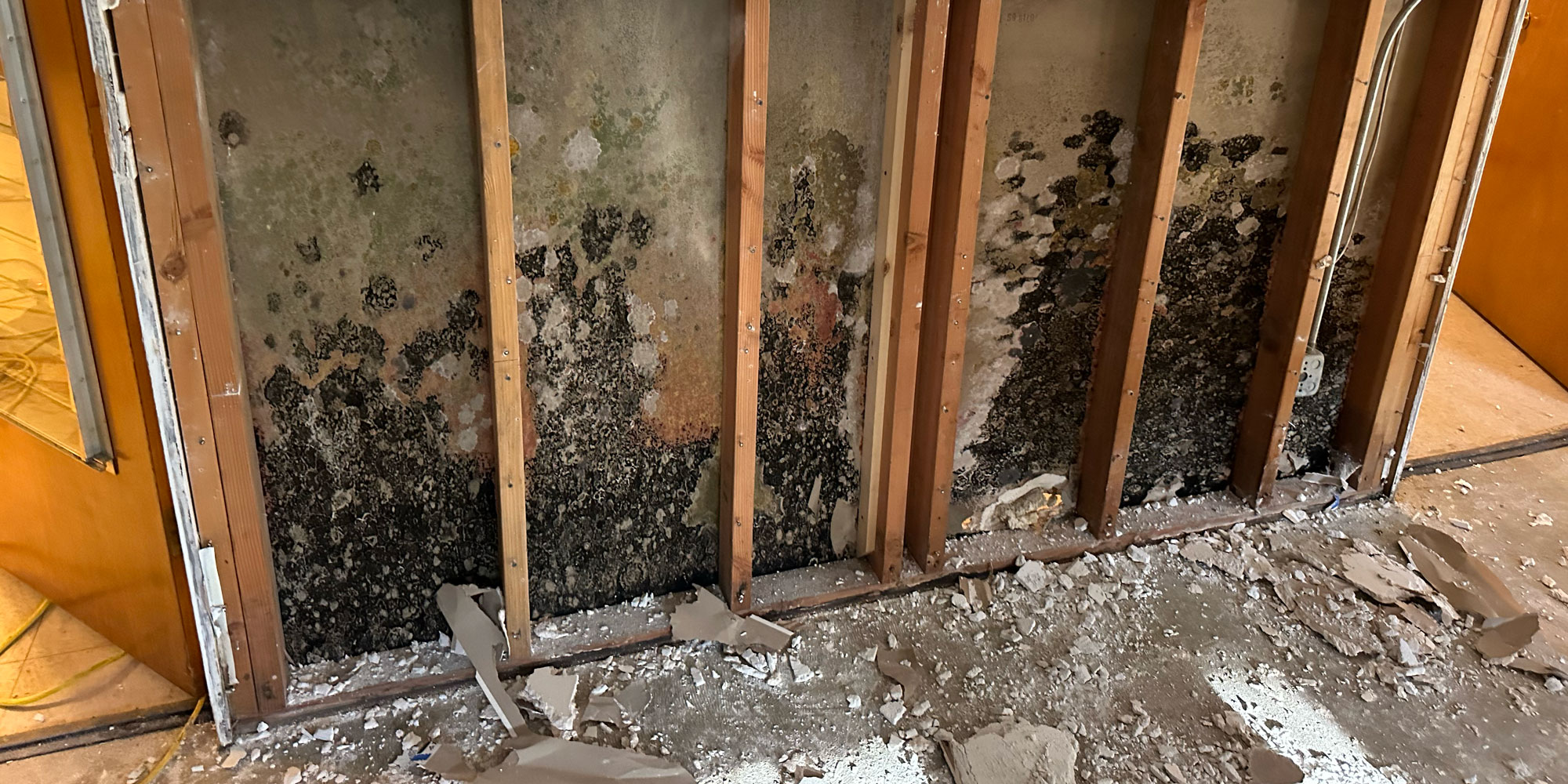
DIY removal turns a manageable project into a health hazard. Without proper equipment and protocols, you risk exposing yourself, your family, and future home occupants to asbestos fibers that can cause fatal diseases.
Scraping popcorn coating releases millions of asbestos fibers into the air. These become respirable and lodge deep in lung tissue, causing scarring and inflammation.
N95 masks and shop vacs were not designed for asbestos. Professional respiratory protection requires HEPA filtration and fit-testing.
Asbestos fibers cling to carpet, HVAC ducts, and furniture. Secondary exposure can occur for months or years after removal.
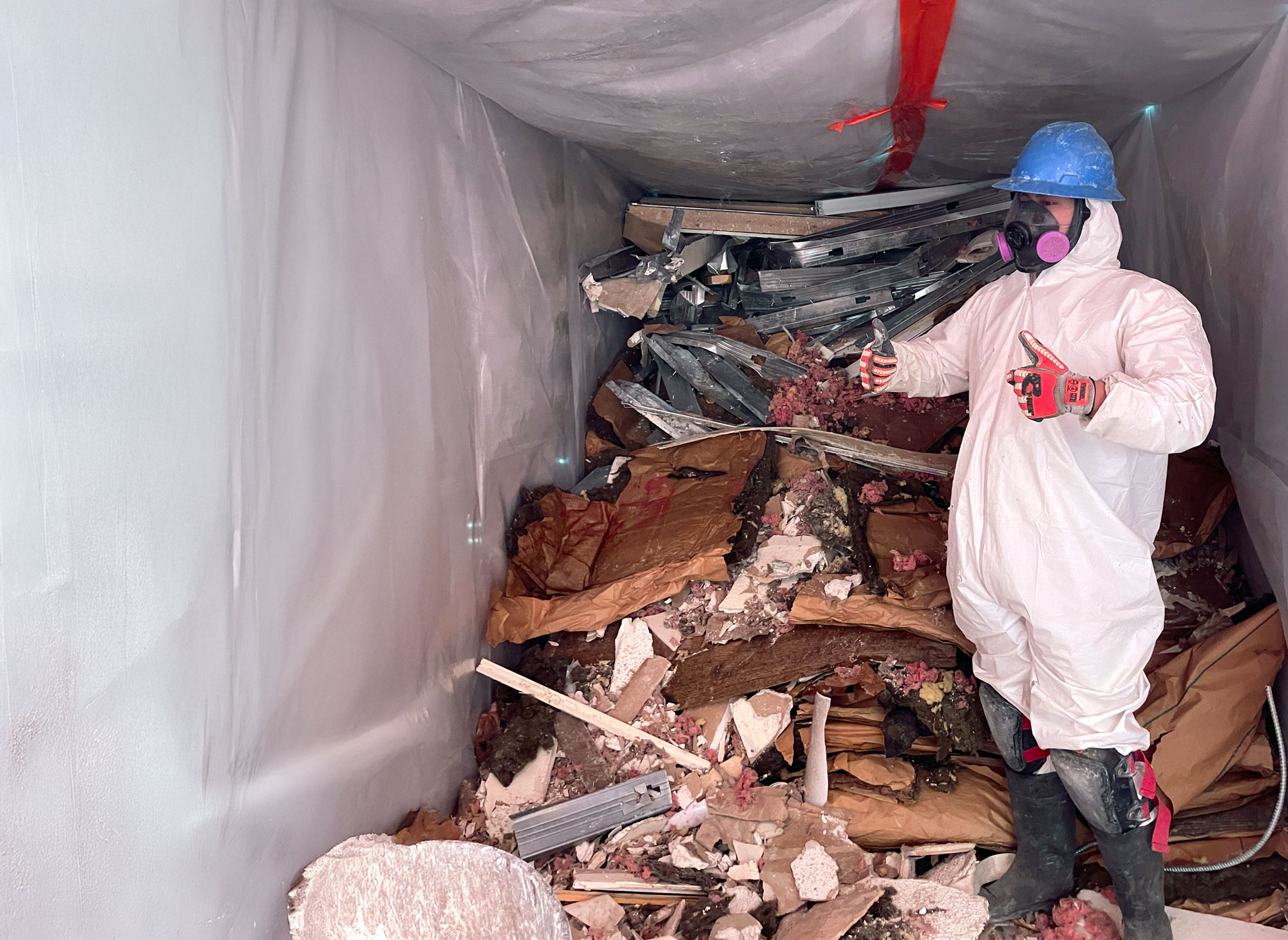
Professional abatement follows CDPHE regulations and industry best practices. Every step is designed to contain fibers, protect occupants, and ensure proper disposal at certified hazardous waste facilities.
Sealed work zones with HEPA-filtered air handlers create pressure differentials that pull all disturbed fibers into containment.
Material is misted with water before removal. Moisture keeps fibers from becoming airborne, significantly reducing exposure risk.
All contaminated material is placed in sealed double-bags and transported to CDPHE-approved hazardous waste facilities for legal disposal.
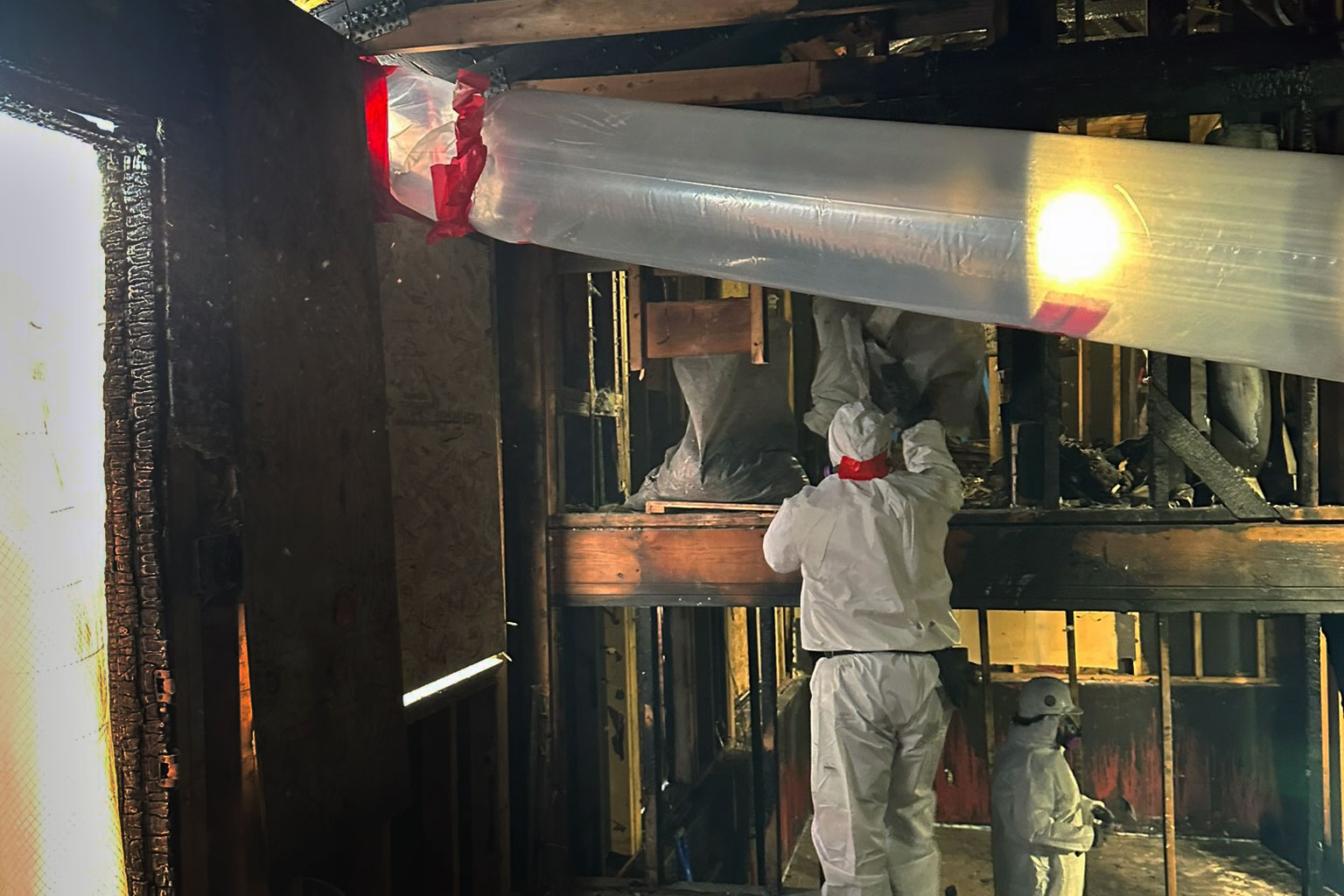
Completed projects across metro Denver and surrounding Colorado communities
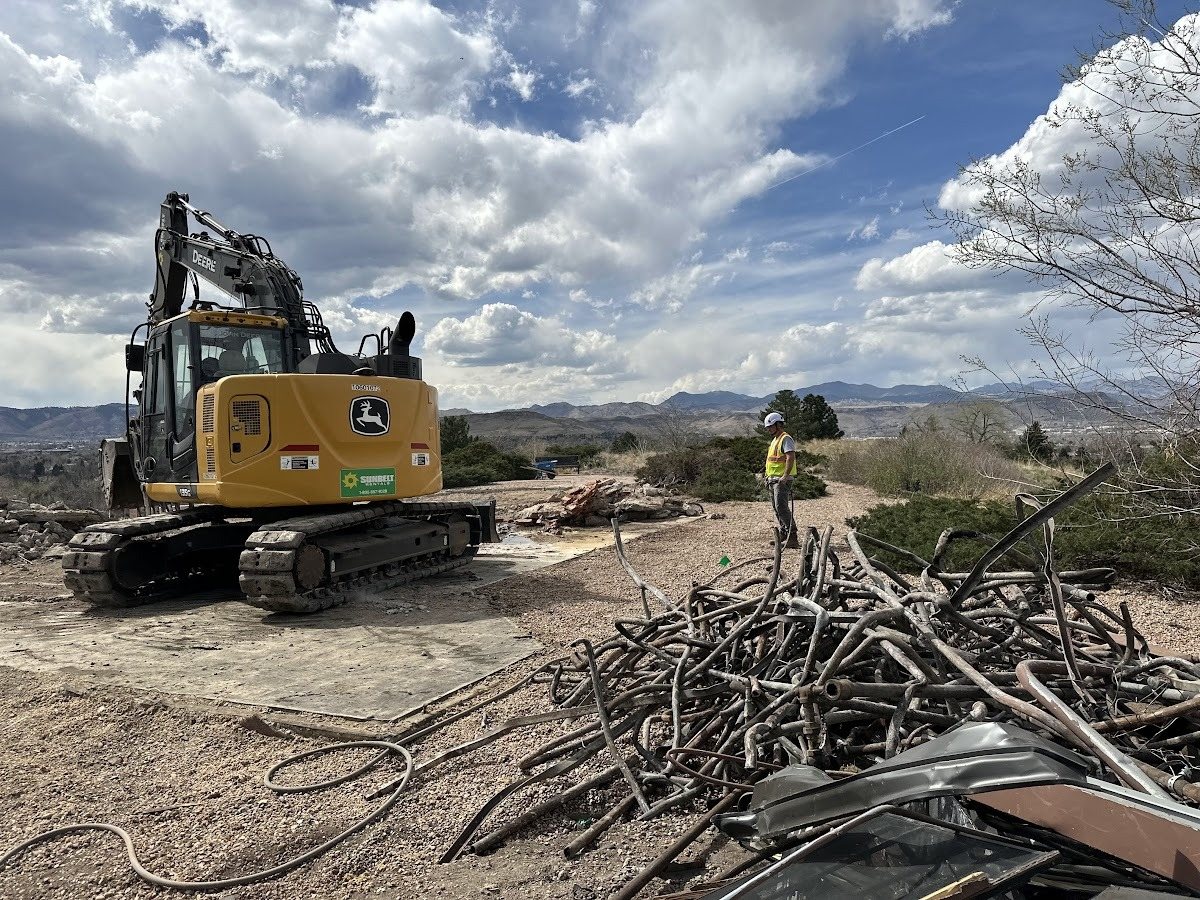
Excavation equipment and staged rebar during an exterior structural demolition and site clearing project.
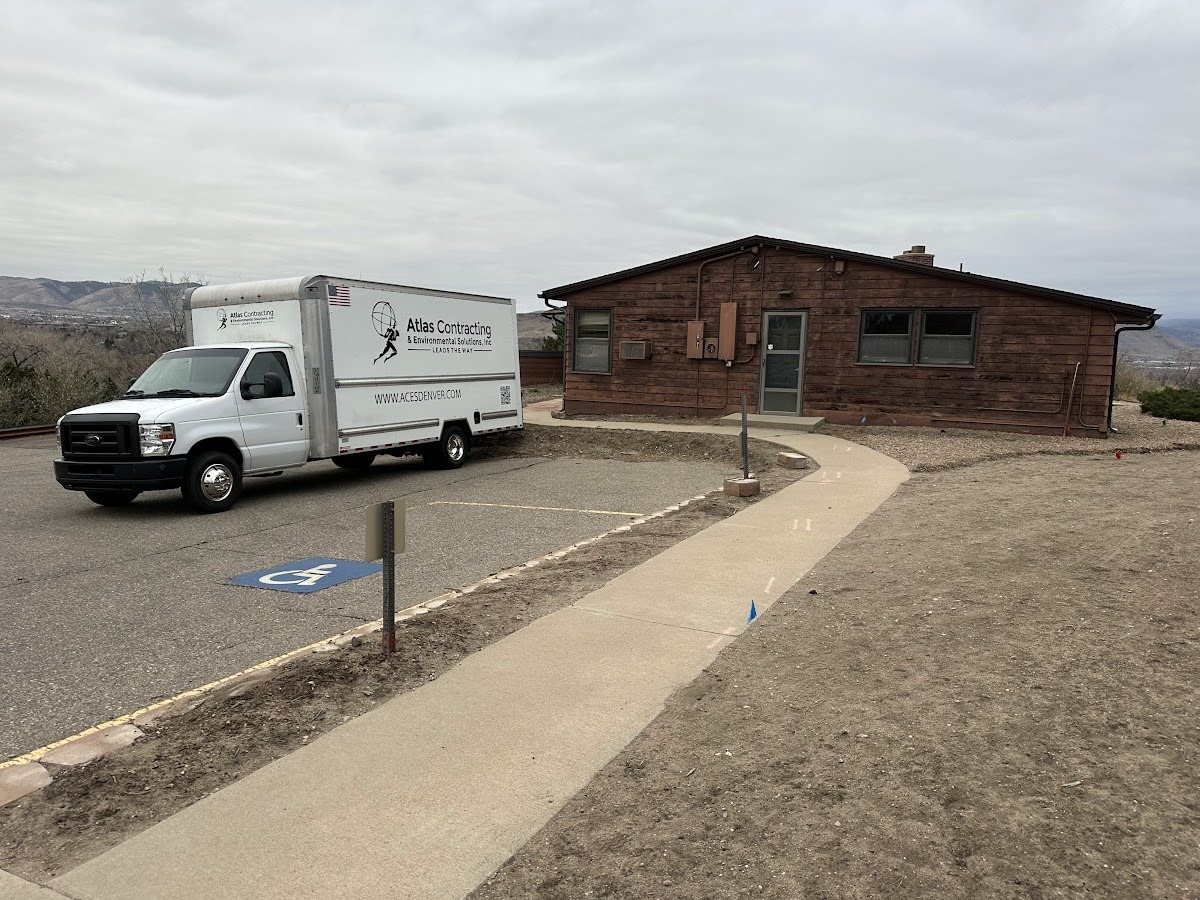
Atlas Contracting truck positioned at a commercial demolition site before exterior structural work begins.
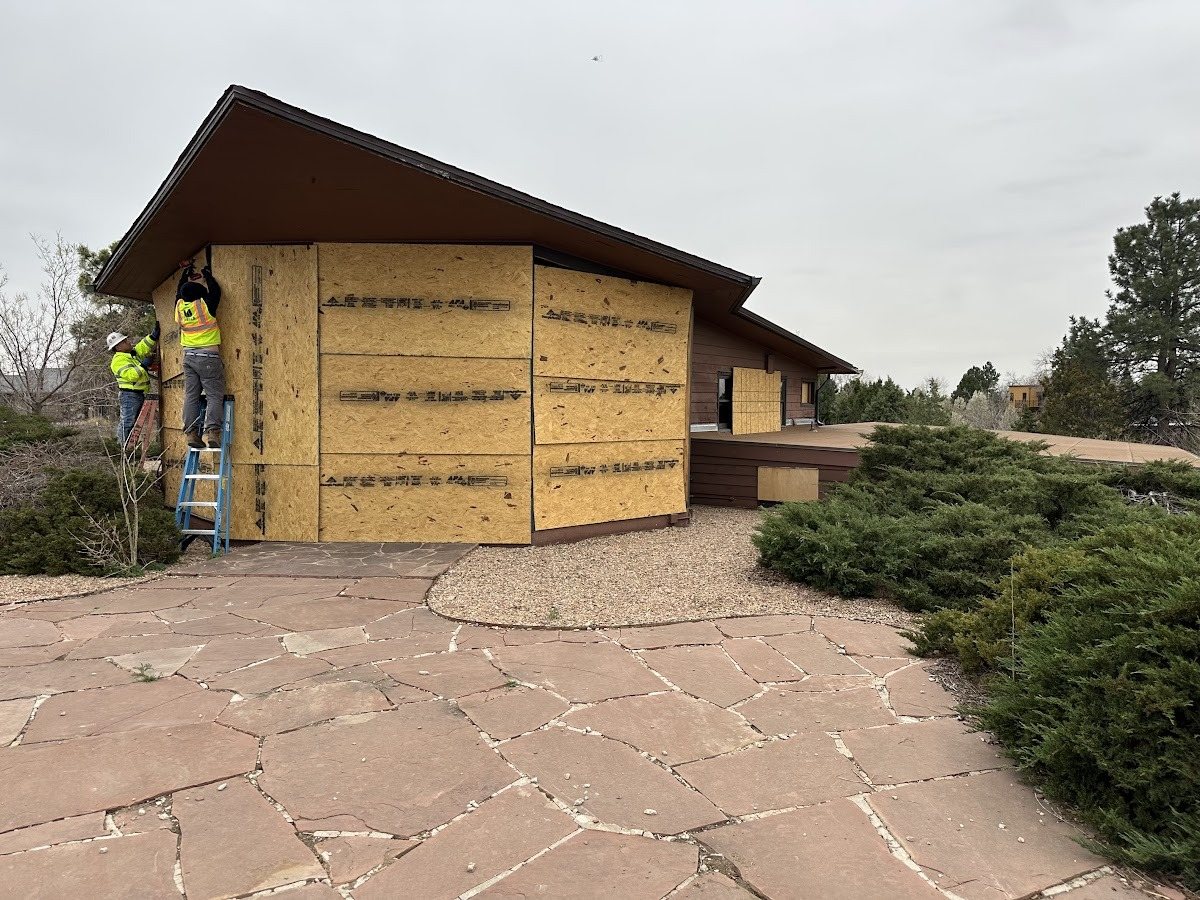
A boarded commercial structure prepared for controlled demolition and site safety work.
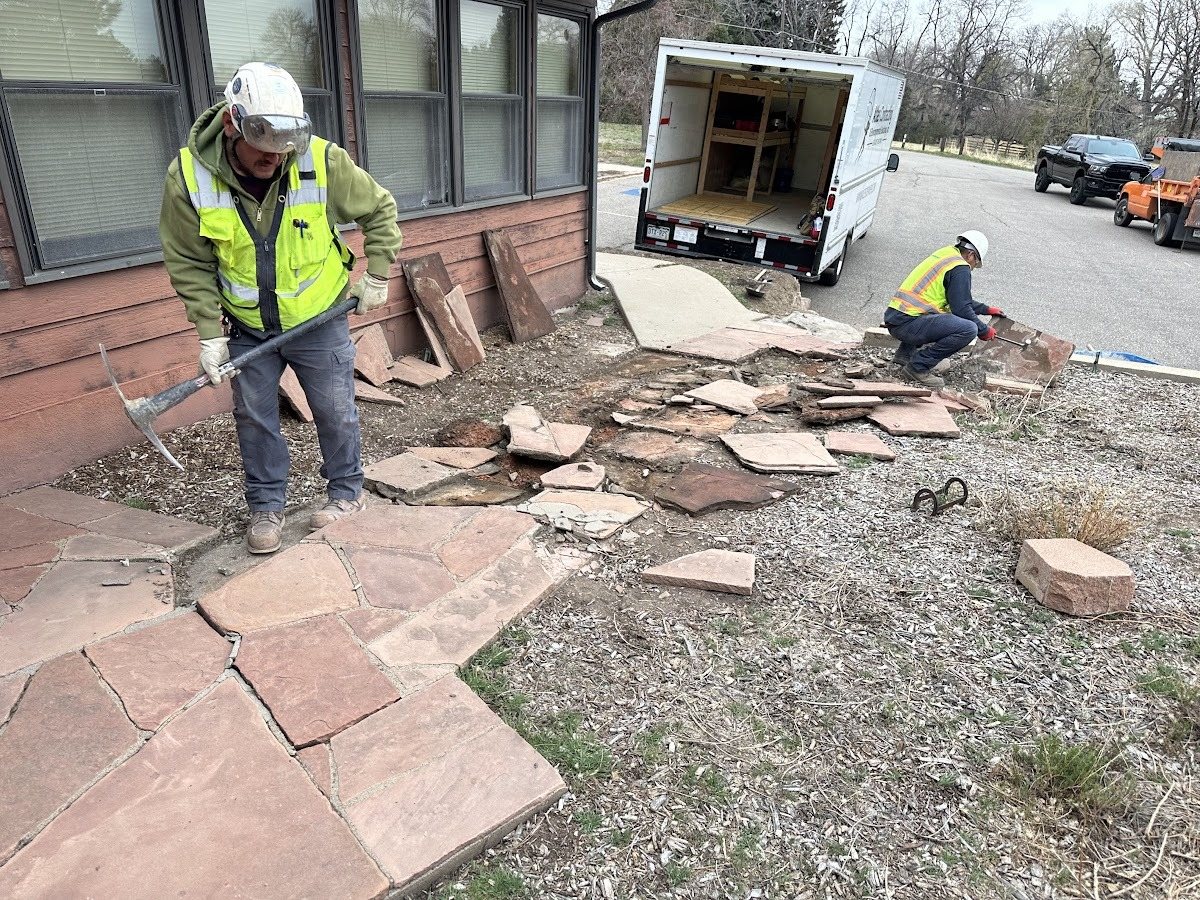
Crew members removing exterior hardscape materials during structural demolition preparation.
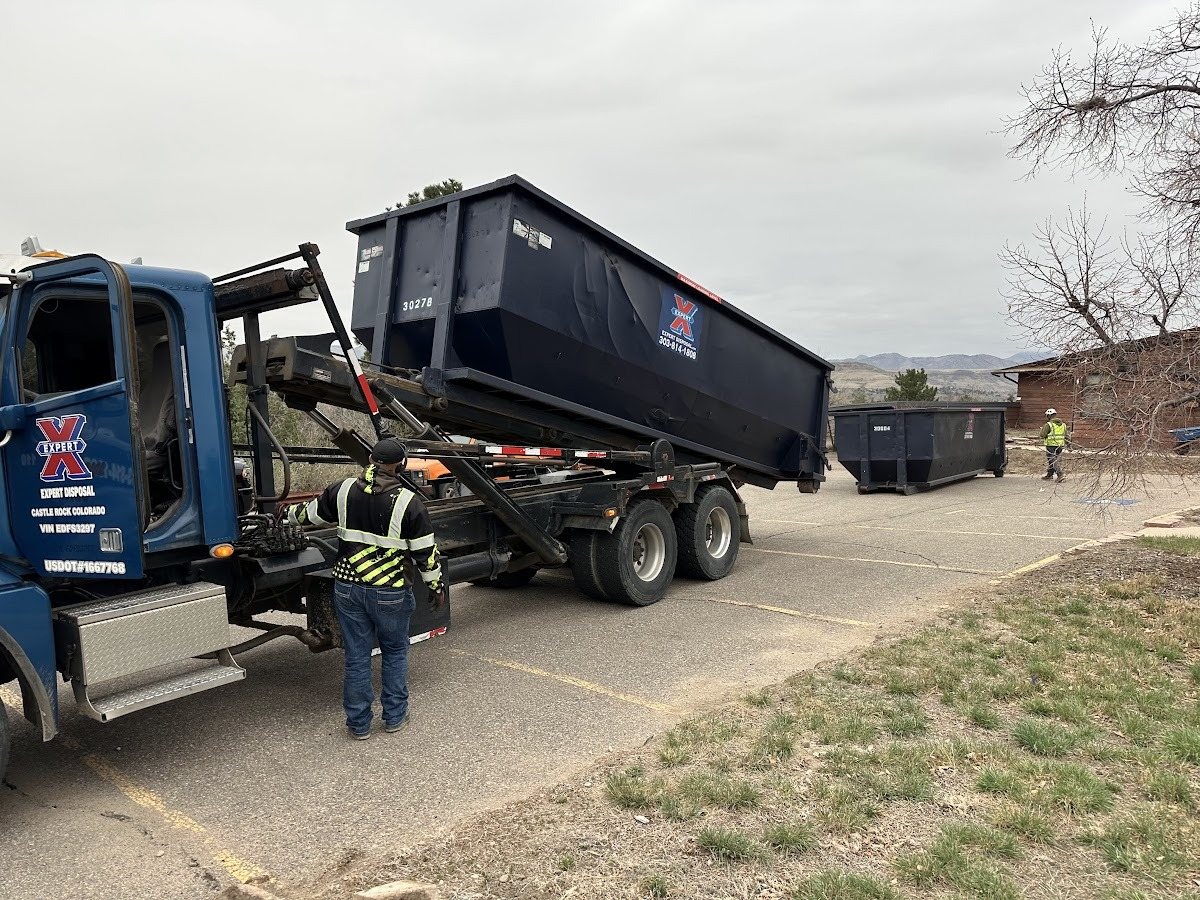
Roll-off container and support truck staged for debris handling during an active demolition project.
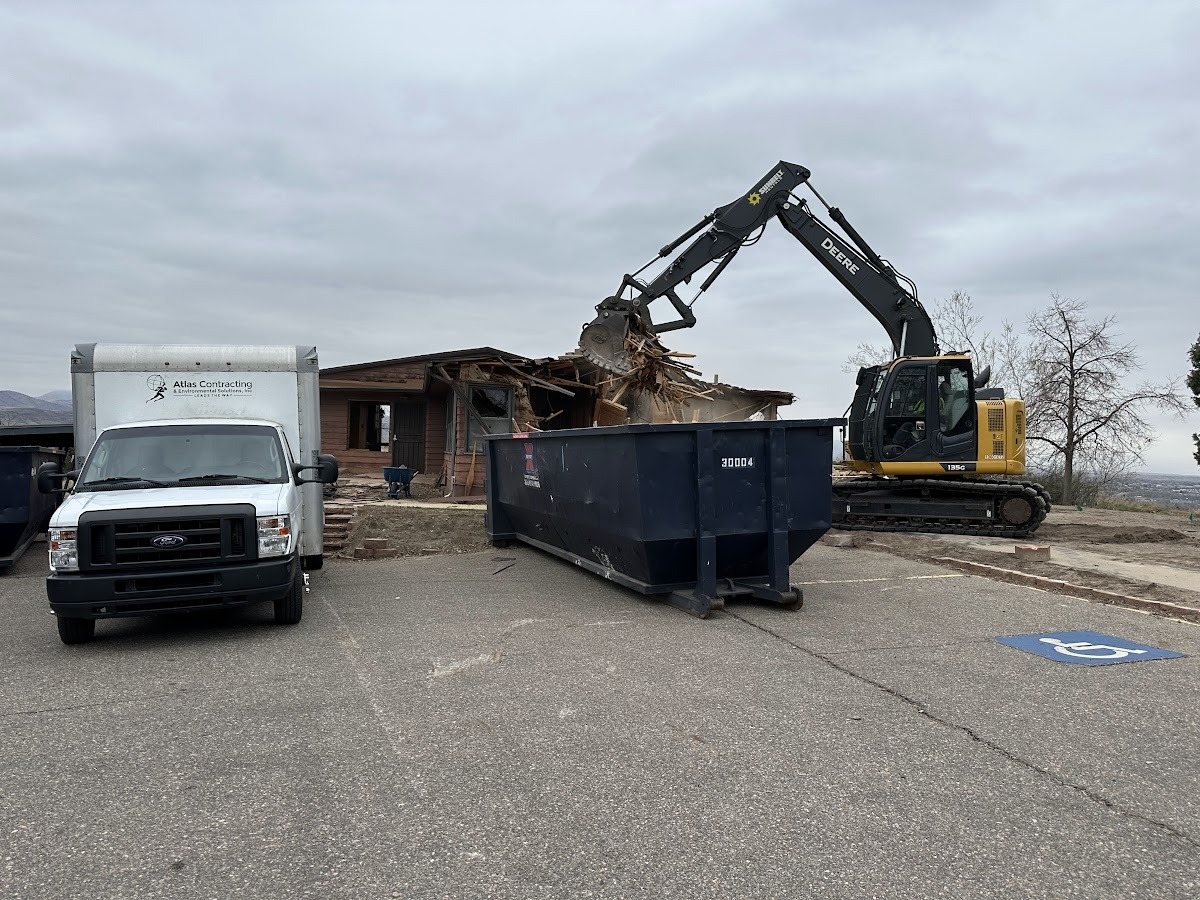
Excavator working alongside roll-off containers as the structure is dismantled under controlled site conditions.
Client Feedback
Read customer experiences with professional asbestos-abatement projects
Brian Haugh
2 months ago
Great crew and fast response
georgina Cordero
7 months ago
Steve and his crew, along with Cassandra were amazing. Steve put me at ease with my situation, he took care of everything. They showed up and worked and did an excellent job.
theresa haskin
11 months ago
We had a roof leak in our kitchen caused by a roofer. Rob came out right away and assessed the issue and worked with myself and the roofer. That day he had made a plan for how the job would go, and began setting up equipment to keep my family safe. He walked me through every step of how the job would go and kept my husband and I informed throughout the process. He made sure that the toddler and newborn in my home would be safe throughout the entire demo process. I cannot recommend this company enough.
Doug
11 months ago
This is an honest place. There are so many disreputable companies out there in this industry, but Atlas is not one of them. Quick work, proper abatement to prevent contamination, and friendly service all come with the fairly priced Atlas contract. Nobody wants to have this work done because it usually means things have gone sideways in your home. That said, if you do, call Atlas Contracting and Environmental Solutions; the company is ACES!!!
Jacob Martin
11 months ago
Wonderful experience working with Steve and his knowledgeable and skilled team. 10/10
Rebecca Love
1 year ago
Fast to set up, done promptly and tidy afterwards. Thanks
Licensed specialists with CDPHE training and years of safe removal experience
EPA & CDPHE Certified Asbestos Contractors
Our team holds active certifications from Colorado Department of Public Health and Environment and the EPA. We specialize in safe, compliant asbestos testing, removal, and disposal for residential and commercial properties across Colorado.
Clear answers about asbestos testing, removal costs, and health protection
Extremely dangerous if it contains asbestos. Even minimal disturbance of friable asbestos can release millions of microscopic fibers into the air. These fibers, once inhaled, can lodge in the lungs and cause serious health issues including mesothelioma, asbestosis, and lung cancer. Professional removal with proper containment and respiratory protection is the only safe approach.
Legal for homeowners in some cases but highly discouraged. While Colorado allows homeowners to remove small quantities of asbestos, the risks far outweigh the savings. Without specialized equipment, sealed work areas, and proper disposal methods, DIY removal puts you, your family, and future occupants at serious risk of exposure to carcinogenic materials.
Quotes depend on square footage, access, and whether third-party testing is required. Licensed contractors will evaluate your project on-site to scope containment, disposal requirements, and remediation costs. The removal plan must match the hazard level identified during testing. Contact us for a free professional assessment.
Asbestos was banned in popcorn coatings in 1977. However, manufacturers used existing stockpiles into the early 1980s, so homes built through approximately 1985 may still contain asbestos materials.
Professional lab testing is the only reliable way to identify asbestos. Visual inspection cannot determine the presence of asbestos fibers. Age is a major indicator—homes built before 1980 in Colorado have a significantly higher probability of containing asbestos in popcorn ceilings.
Painting can temporarily stabilize surface fibers and reduce fiber release, but it does not permanently seal asbestos. It actually makes future removal more difficult and more expensive. The underlying asbestos remains a hazard if the ceiling is damaged or disturbed.
Most residential projects take 1-3 days depending on square footage and ceiling height. The timeline includes containment setup, wet-scraping or encapsulation, air clearance testing, cleanup, and final inspection. Larger or more complex projects may require additional time.
Negative air pressure ensures that air only flows into the work area, preventing fibers from escaping to other rooms. HEPA-filtered equipment creates a pressure differential that contains all disturbed particles within the sealed work zone, protecting the rest of your home.
Still have questions?
We're here to help you find the answers.
Schedule your free, no-obligation evaluation. We'll test, document, and provide a clear removal plan.