BH
Brian Haugh
2 months ago
Great crew and fast response
Understand the critical differences between these hazards, testing requirements, and professional remediation protocols for your home.




The visual similarity between mold and asbestos can be dangerously misleading. White mold growing on insulation can mimic the fibrous appearance of asbestos insulation, while black mold frequently colonizes asbestos-containing drywall, floor tiles, and pipe insulation—creating a "layered hazard" scenario that demands specialized handling.
One of the most common sources of confusion is popcorn ceiling texture, which often contains asbestos fibers but may also show water staining and early mold growth. Homeowners often assume they're dealing with only one hazard when, in fact, both may be present. This misidentification can lead to improper cleanup that either spreads dangerous fibers or fails to address active moisture and mold proliferation.
Professional sampling and lab analysis are the only reliable methods to definitively confirm what hazard you're facing. Visual inspection—even by trained eyes—cannot distinguish between mold spores and asbestos fibers without microscopic examination and material testing.
A layered hazard cleanup requires coordinated abatement planning. You cannot treat asbestos and mold with a single generic approach. Asbestos abatement follows strict EPA and state protocols, while mold remediation prioritizes moisture control and structural drying. When both are present, the scope expands significantly, and timing matters: address the asbestos substrate first, then manage moisture and mold remediation in contained phases.
Asbestos
Microscopic fibers in building materials—visible only under lab analysis. Fibrous texture in insulation.
Mold
Fungal growth triggered by moisture. Fuzzy surface texture visible to the naked eye. Active and spreading.
EPA Certified
Professional Testing Required
Both hazards demand certified sampling and analysis before any remediation begins.
The approach to asbestos and mold cleanup differs fundamentally. Understanding these distinctions helps you make informed decisions about which hazard requires active removal and which might be safely contained and monitored.
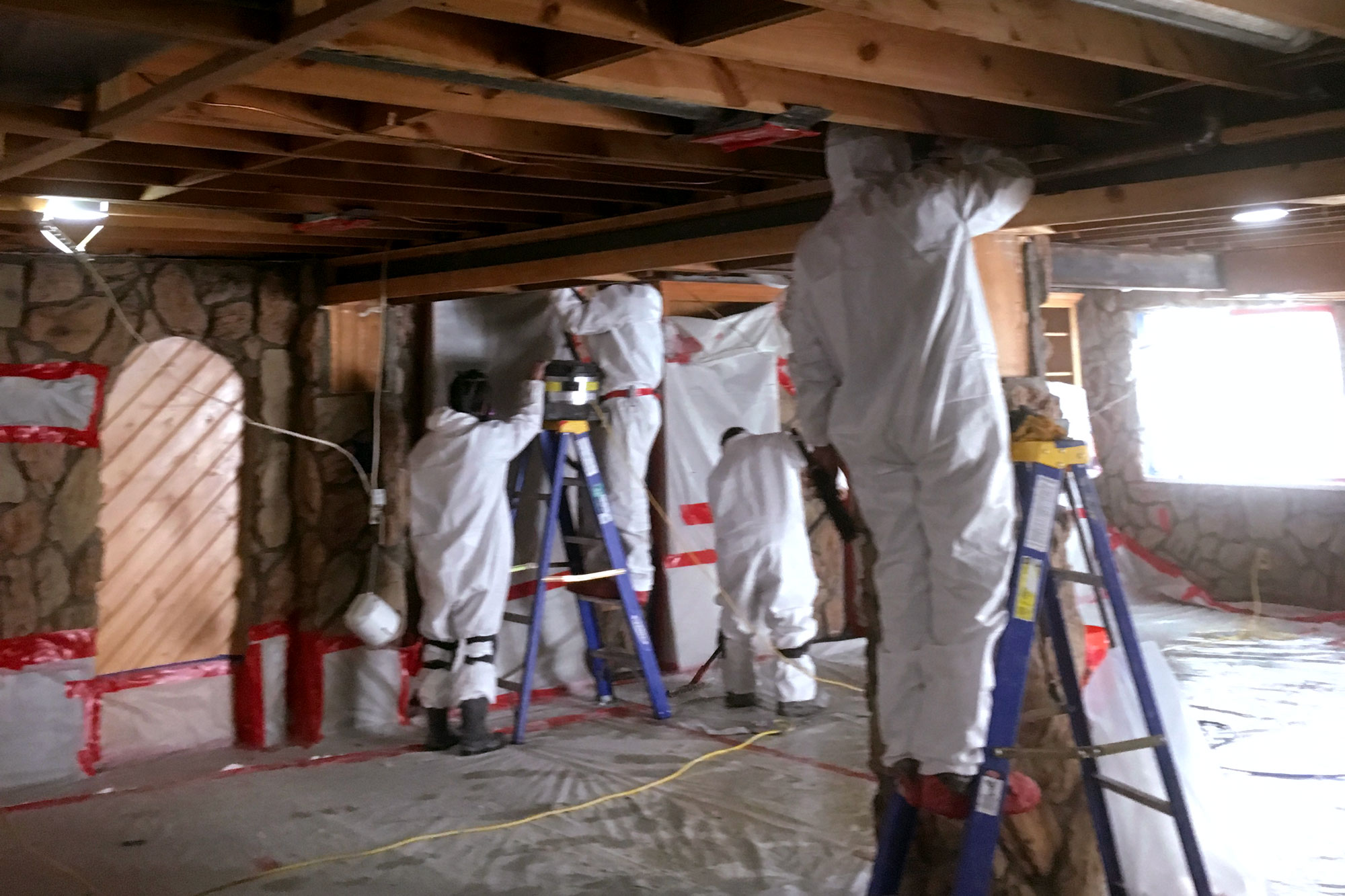
If asbestos is intact and undisturbed, many professionals recommend leaving it alone rather than triggering fiber release during removal. Encapsulation seals the material; professional removal requires negative air pressure chambers, hazmat protocols, and EPA-licensed disposal at specialized landfills.
Mold remediation is not optional—moisture must be stopped, contaminated materials must be removed or cleaned, and structural drying must follow. Mold can return quickly if moisture isn't permanently eliminated.
When both are present, timing and sequencing are critical. Asbestos abatement involves strict setup and teardown (5–7 days typical), while mold remediation involves ongoing moisture management and structural drying that may take several days or longer depending on extent and building materials involved.
PPE (personal protective equipment) varies significantly. Asbestos abatement requires respiratory protection rated for airborne fibers; mold remediation requires respiratory protection for spores and volatile organic compounds (VOCs). Disposal is also different: asbestos is hazardous waste requiring licensed landfilling, while mold-contaminated materials are often general waste.
Asbestos Approach
Mold Approach
Attempting to identify or remediate asbestos and mold yourself exposes you and your family to serious health risks. Professional assessment, certified testing, and licensed remediation protect both your health and your property value.
Third-party testing confirms material composition and hazard type without bias or contamination risk.
Licensed professionals follow EPA protocols to prevent fiber and spore release during remediation.
Licensed work is documented and compliant with Colorado asbestos regulations and EPA standards.
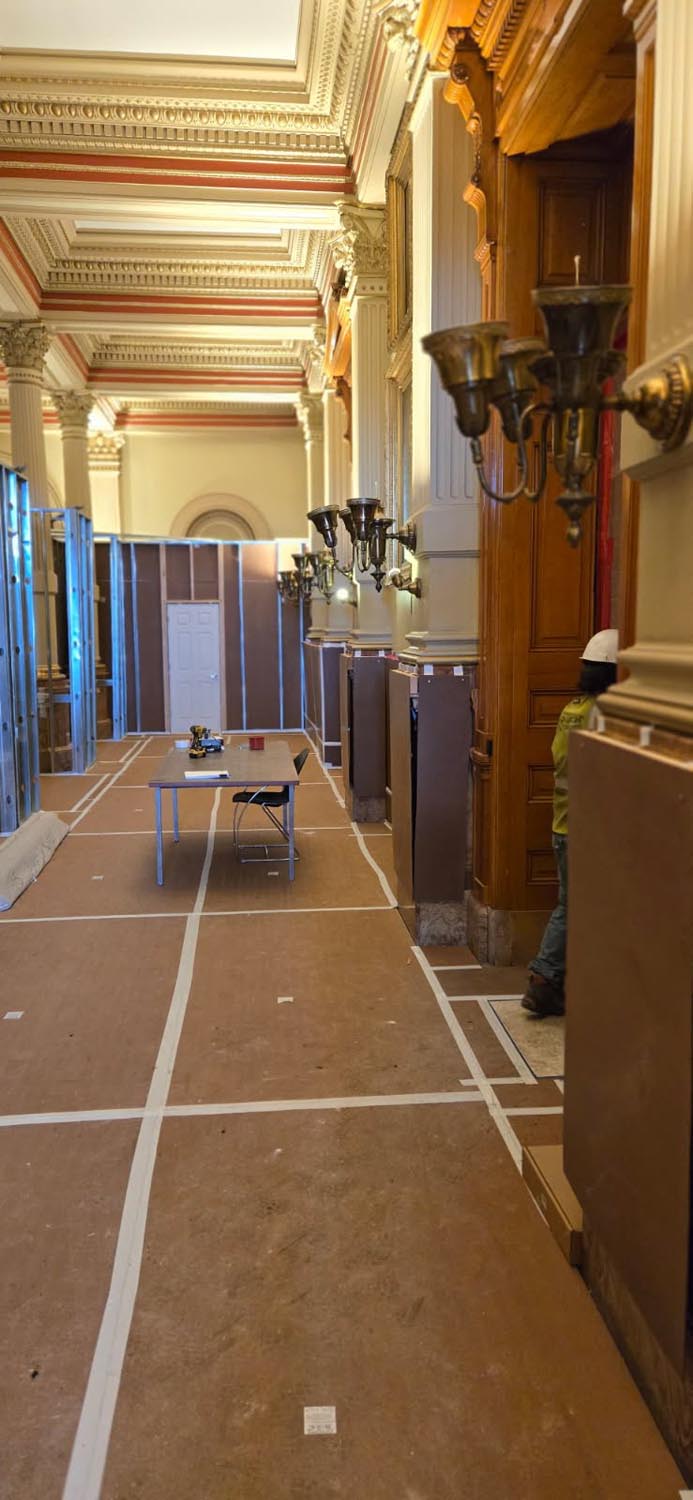
See examples of professional asbestos and mold remediation projects completed by ACES.
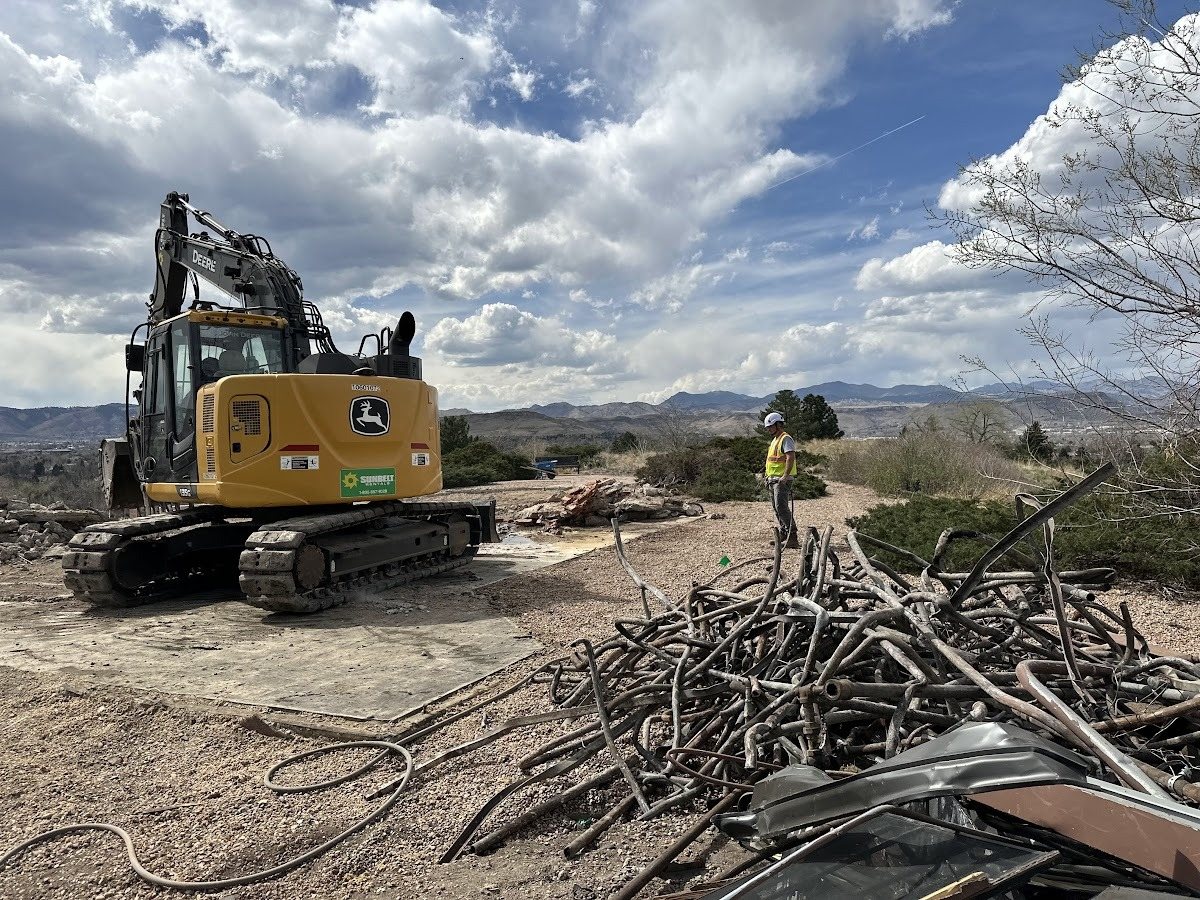
Excavation equipment and staged rebar during an exterior structural demolition and site clearing project.
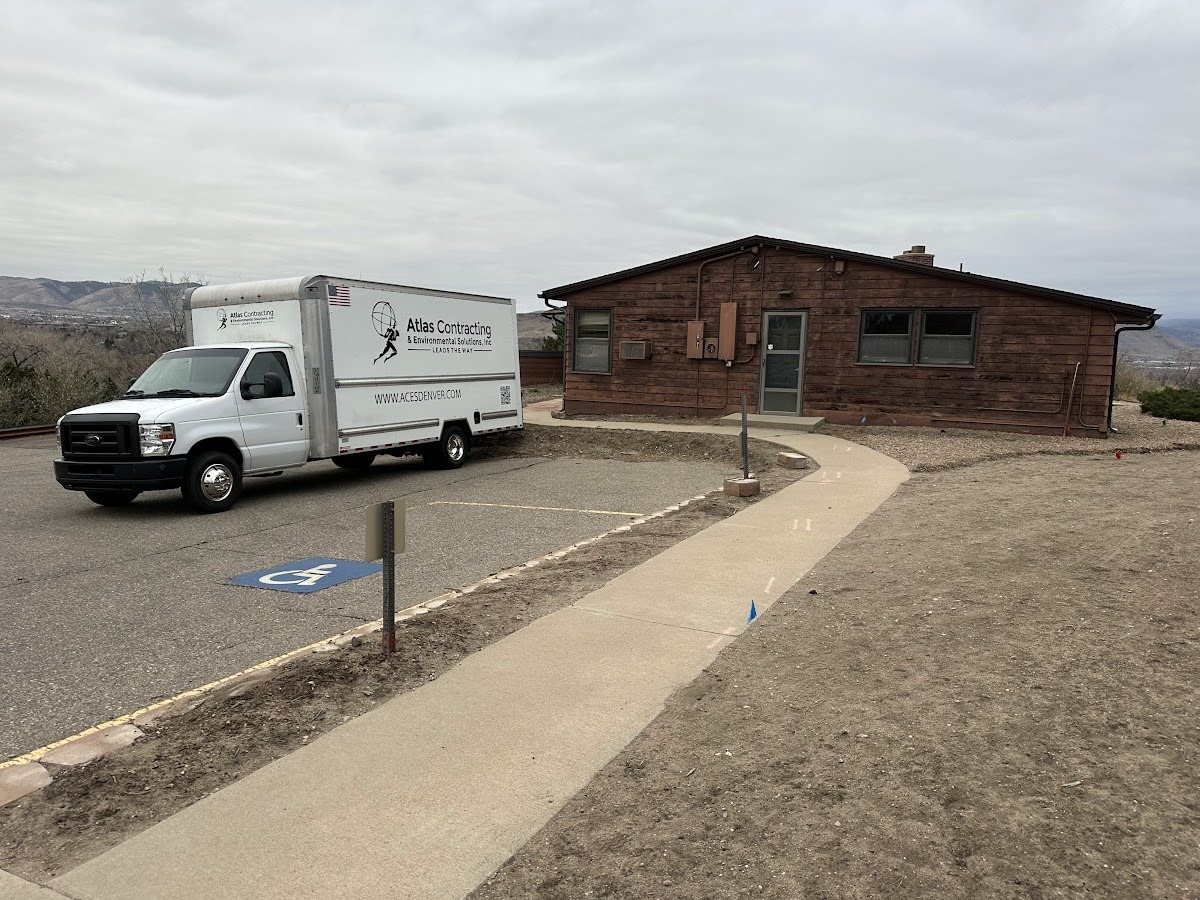
Atlas Contracting truck positioned at a commercial demolition site before exterior structural work begins.
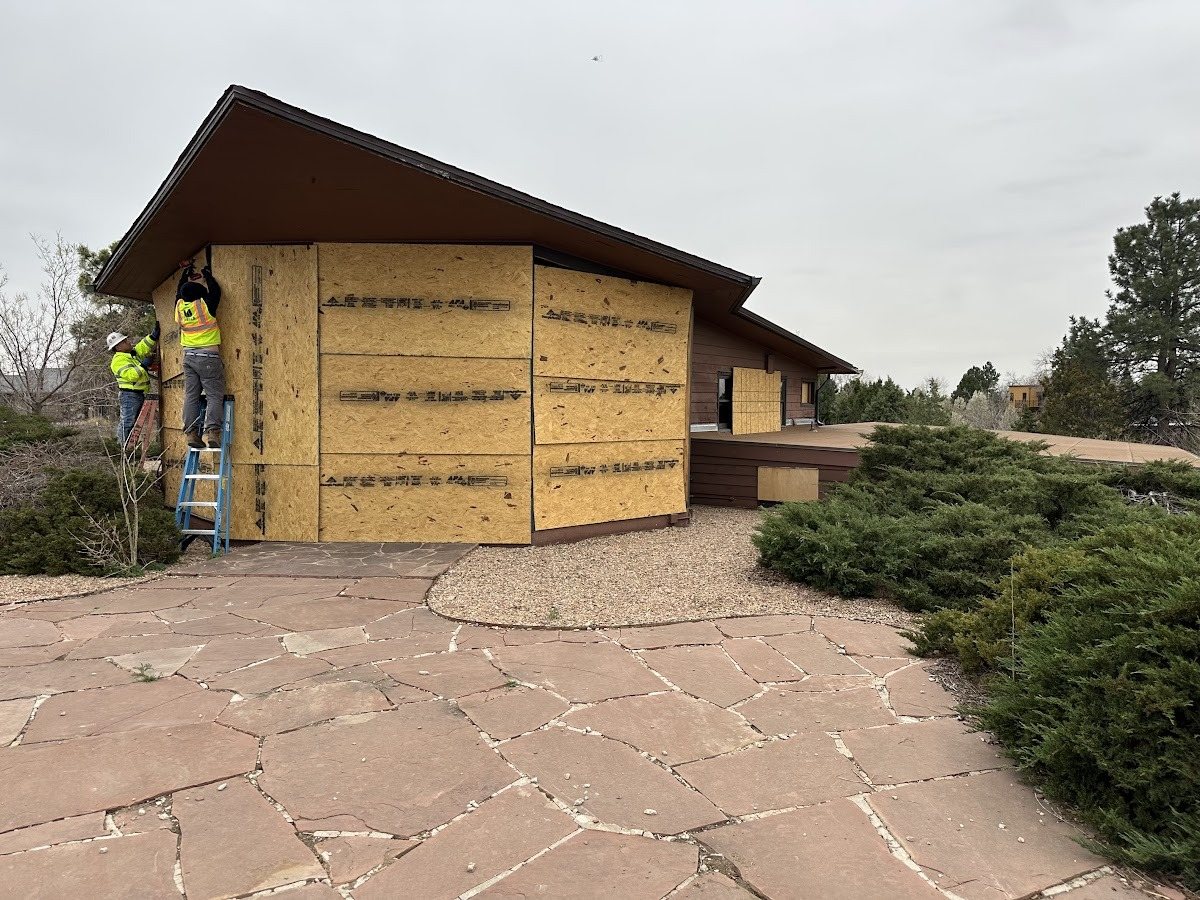
A boarded commercial structure prepared for controlled demolition and site safety work.
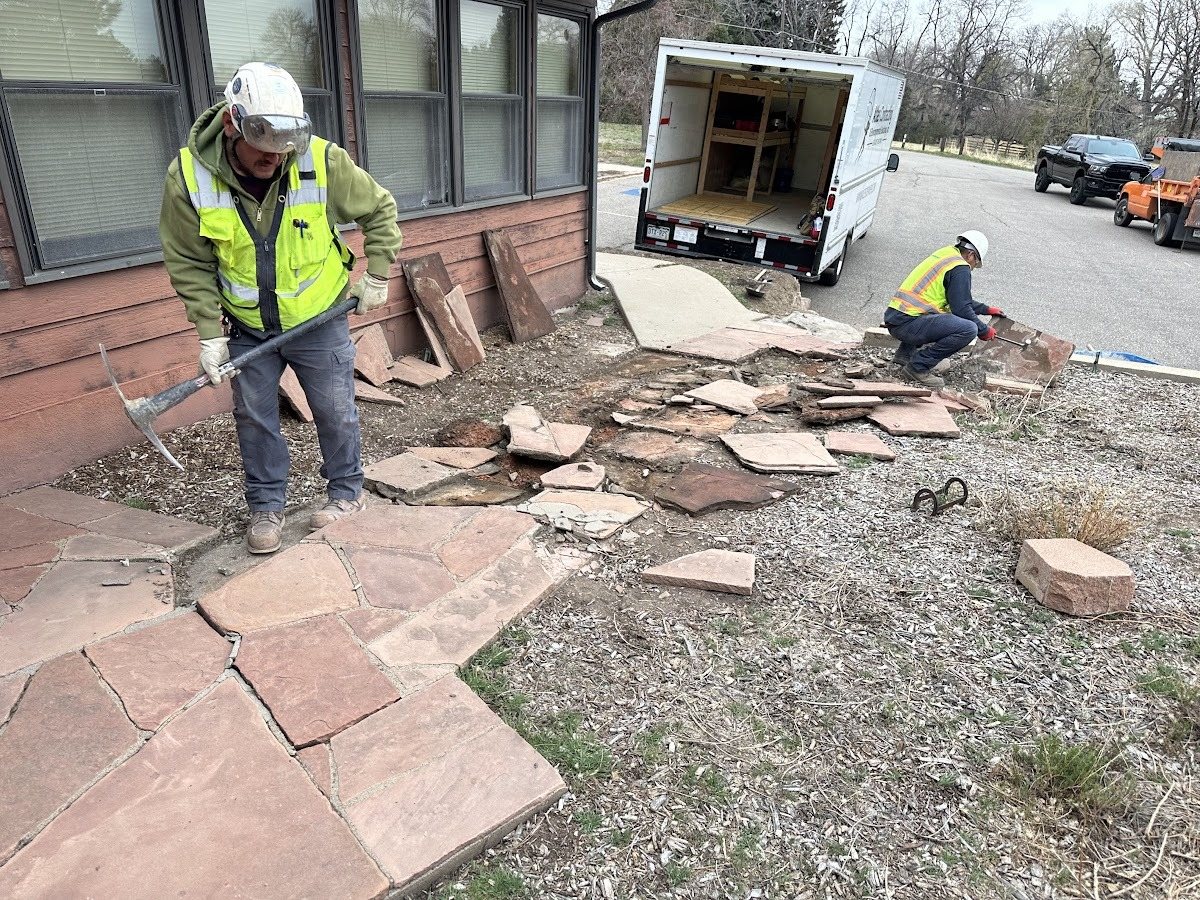
Crew members removing exterior hardscape materials during structural demolition preparation.
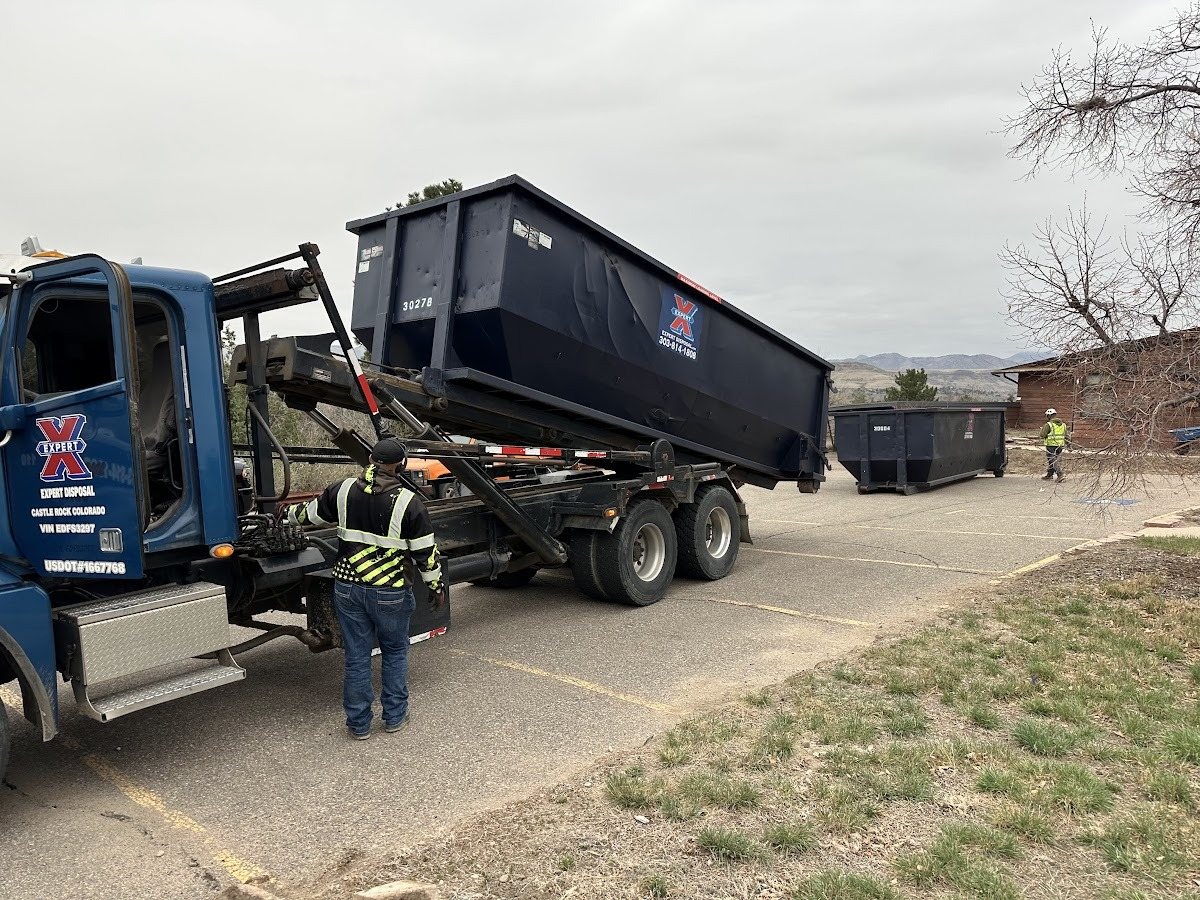
Roll-off container and support truck staged for debris handling during an active demolition project.
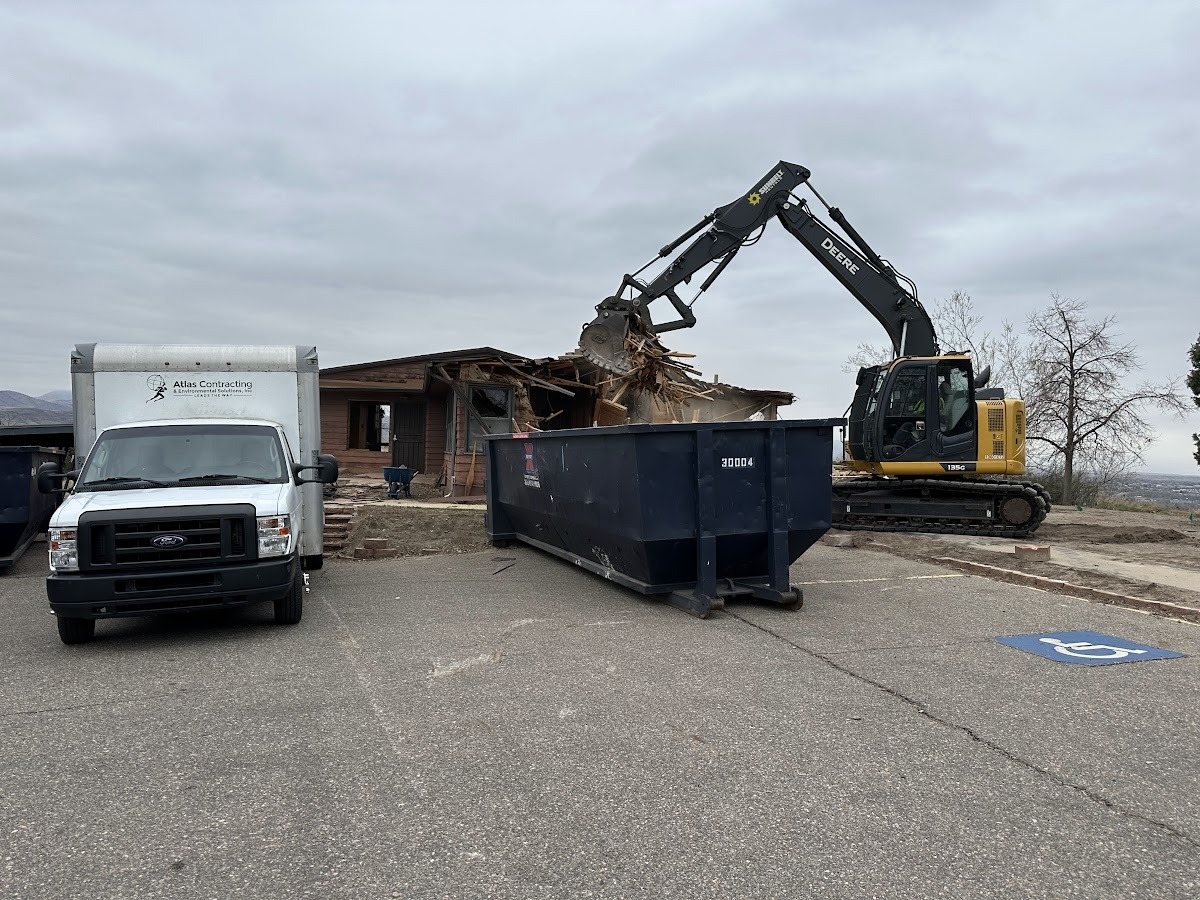
Excavator working alongside roll-off containers as the structure is dismantled under controlled site conditions.
Client Feedback
Read real testimonials from homeowners who chose ACES for their hazardous material remediation.
Brian Haugh
2 months ago
Great crew and fast response
georgina Cordero
7 months ago
Steve and his crew, along with Cassandra were amazing. Steve put me at ease with my situation, he took care of everything. They showed up and worked and did an excellent job.
theresa haskin
11 months ago
We had a roof leak in our kitchen caused by a roofer. Rob came out right away and assessed the issue and worked with myself and the roofer. That day he had made a plan for how the job would go, and began setting up equipment to keep my family safe. He walked me through every step of how the job would go and kept my husband and I informed throughout the process. He made sure that the toddler and newborn in my home would be safe throughout the entire demo process. I cannot recommend this company enough.
Doug
11 months ago
This is an honest place. There are so many disreputable companies out there in this industry, but Atlas is not one of them. Quick work, proper abatement to prevent contamination, and friendly service all come with the fairly priced Atlas contract. Nobody wants to have this work done because it usually means things have gone sideways in your home. That said, if you do, call Atlas Contracting and Environmental Solutions; the company is ACES!!!
Jacob Martin
11 months ago
Wonderful experience working with Steve and his knowledgeable and skilled team. 10/10
Rebecca Love
1 year ago
Fast to set up, done promptly and tidy afterwards. Thanks
Everything you need to know about identifying and remediating asbestos and mold.
White mold can mimic fibrous asbestos insulation, and black mold can grow on asbestos-containing drywall. Visual identification alone is unreliable—professional sampling is the only definitive method to confirm what hazard you're dealing with.
Both are serious health threats but operate differently. Asbestos causes long-term terminal illness like mesothelioma through cumulative fiber exposure, while mold causes acute respiratory and allergic reactions. Both require professional handling to prevent exposure.
Water-damaged pre-1980 materials often require both mold evaluation and third-party asbestos sampling. Asbestos is material-based while mold is moisture-based, so the confirmation path differs for each. ACES coordinates the licensed cleanup scope once the hazard mix is confirmed.
Asbestos is typically more expensive due to hazardous waste disposal fees and strict regulatory protocols. Mold cost is driven by structural drying extent needed. Both vary significantly by square footage and contamination severity.
Yes—if asbestos material like drywall or paper gets wet, mold growth follows. This creates a 'double hazard' scenario requiring specialized remediation that safely addresses both the asbestos substrate and the active mold.
Popcorn texture often contains asbestos fibers, and water spots on ceilings often lead to mold growth. Testing is required before scraping or disturbing any material to prevent dangerous fiber release.
Asbestos involves strict containment setup and teardown times. Mold involves days of structural drying and moisture remediation. Most residential projects take 3–7 days, but timeline depends on scope and contamination extent.
General inspectors only note visible signs without lab confirmation. Specialized testing is usually an add-on. ACES provides expert second opinions and comprehensive testing when suspected dual hazards exist.
Still have questions?
We're here to help you find the answers.
ACES Denver provides certified hazard assessment, lab-analyzed sampling, and fully licensed remediation. Protect your family with expert guidance.