BH
Brian Haugh
2 months ago
Great crew and fast response
Compare lead paint encapsulation vs. full removal. Learn the costs, safety benefits, and regulatory requirements for lead abatement in Colorado homes.




If your Colorado home was built before 1978, chances are it contains lead paint. Understanding your options for dealing with this hazard is crucial—both for your family's safety and your peace of mind. Two proven methods dominate the market: encapsulation and full removal. Each has distinct advantages, costs, and applications.
This guide walks you through the science, safety protocols, regulatory requirements, and cost comparisons so you can make an informed decision with confidence.
Encapsulation is a proven containment strategy that seals hazardous lead paint beneath a durable, professional-grade barrier. Rather than removing paint—which releases hazardous dust—encapsulation traps the lead in place, preventing exposure while preserving the original structure.
What is Encapsulation?
Specialized liquid encapsulants are applied over lead paint to create a long-lasting, sealed barrier. These products meet ASTM D6856 standards and form tight, elastic coatings that prevent lead particles from becoming airborne.
Key Benefits
When Encapsulation Is Not an Option
High-friction surfaces (doors, windows, trim) where paint deteriorates from use must be handled differently. Heavily deteriorated substrates also require removal or component replacement to ensure long-term sealing integrity.
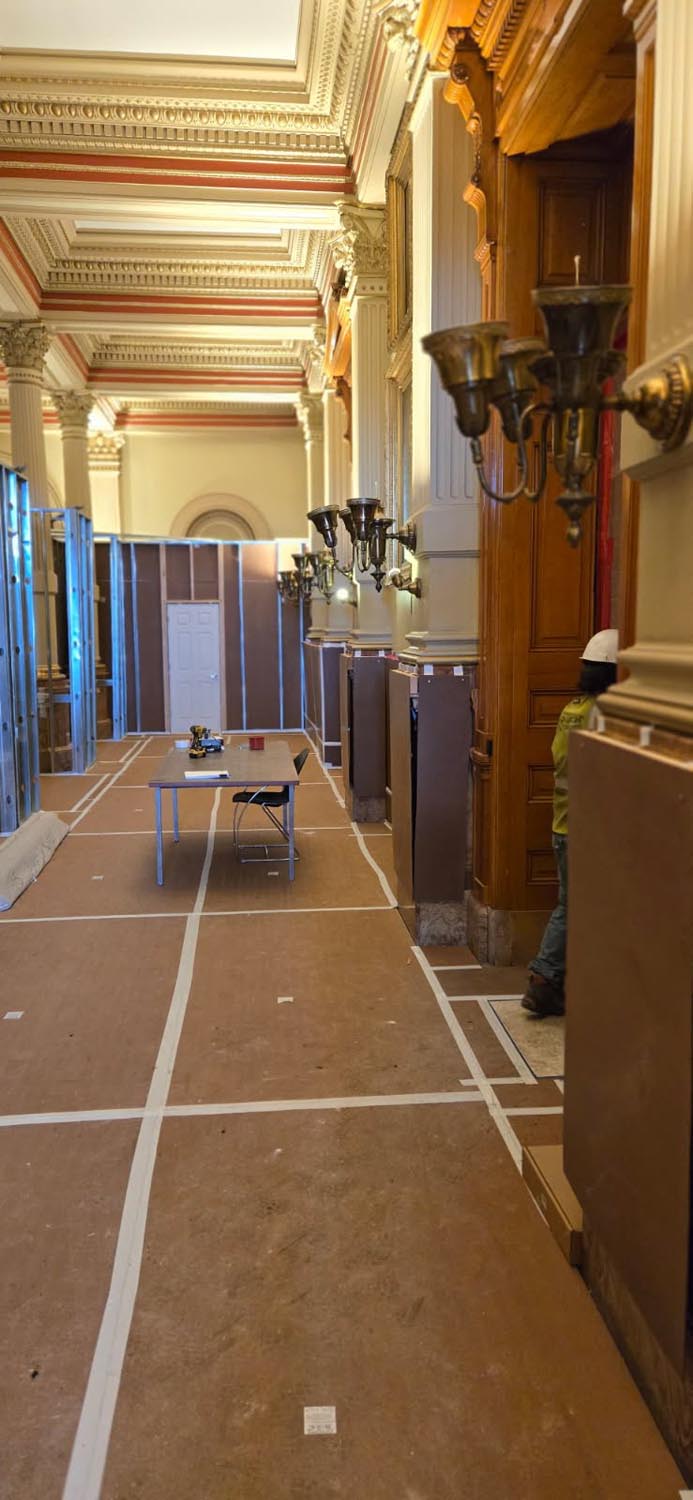
Full removal and replacement methods offer permanent solutions by eliminating lead paint entirely. These approaches require certified contractors, strict containment protocols, and EPA-compliant waste handling—but they provide lasting peace of mind.
Mechanical Removal (Wet Scraping & Sanding)
Lead paint is carefully scraped or wet-sanded using HEPA-filtered equipment. Full containment and negative air pressure prevent dust escape. Water-based methods minimize airborne hazards compared to dry sanding.
Heat Stripping
Specialized heating tools soften paint without reaching combustion temperatures. Paint is then scraped away carefully. This method reduces chemical odors and is especially useful on wooden surfaces.
Component Replacement (Gold Standard)
For windows, doors, and trim, removal and replacement with new, lead-free components is the definitive solution. More expensive but eliminates the hazard entirely and often improves energy efficiency.
Client Feedback
Verified Google reviews from property owners, facility managers, contractors, and adjusters.
Brian Haugh
2 months ago
Great crew and fast response
georgina Cordero
7 months ago
Steve and his crew, along with Cassandra were amazing. Steve put me at ease with my situation, he took care of everything. They showed up and worked and did an excellent job.
theresa haskin
11 months ago
We had a roof leak in our kitchen caused by a roofer. Rob came out right away and assessed the issue and worked with myself and the roofer. That day he had made a plan for how the job would go, and began setting up equipment to keep my family safe. He walked me through every step of how the job would go and kept my husband and I informed throughout the process. He made sure that the toddler and newborn in my home would be safe throughout the entire demo process. I cannot recommend this company enough.
Doug
11 months ago
This is an honest place. There are so many disreputable companies out there in this industry, but Atlas is not one of them. Quick work, proper abatement to prevent contamination, and friendly service all come with the fairly priced Atlas contract. Nobody wants to have this work done because it usually means things have gone sideways in your home. That said, if you do, call Atlas Contracting and Environmental Solutions; the company is ACES!!!
Jacob Martin
11 months ago
Wonderful experience working with Steve and his knowledgeable and skilled team. 10/10
Rebecca Love
1 year ago
Fast to set up, done promptly and tidy afterwards. Thanks
Encapsulation is faster and more cost-effective for large wall surfaces Removal is better for long-term peace of mind and high-friction areas Both are EPA-approved if performed by certified contractors
Typically 10-20 years depending on the product used Requires periodic inspection for peeling or cracking Longevity depends on the condition of the underlying surface
Generally 40-60% cheaper than full abatement Ranges from $4 to $10 per square foot including labor Varies based on surface prep requirements
Never dry sand or use open-flame torches Use wet methods to minimize dust Ensure full containment and HEPA air scrubbing is in place
Yes, for any project disturbing more than 6 sq ft of lead paint in older homes Required by EPA RRP (Renovation, Repair, and Painting) Rule Critical for commercial property compliance and liability
Encapsulation (Barrier coating) Enclosure (Covering with drywall) Removal (Scraping/Sanding) Replacement (New windows/doors)
No, regular paint is not a certified lead encapsulant Standard paint does not bond strongly enough to prevent lead dust migration Specific 'Encapsulant' coatings must meet ASTM standards
Homes built before 1978 likely contain lead Professional XRF testing or lab analysis of paint chips EPA-recognized test kits for DIY screening
Still have questions?
We're here to help you find the answers.
Whether you choose encapsulation or removal, Atlas Contracting ensures EPA-compliant, certified work with transparent pricing and peace of mind.