
General Abatement Contractor
Colorado CDPHE — GAC No. 26365 · valid through Aug 31, 2027
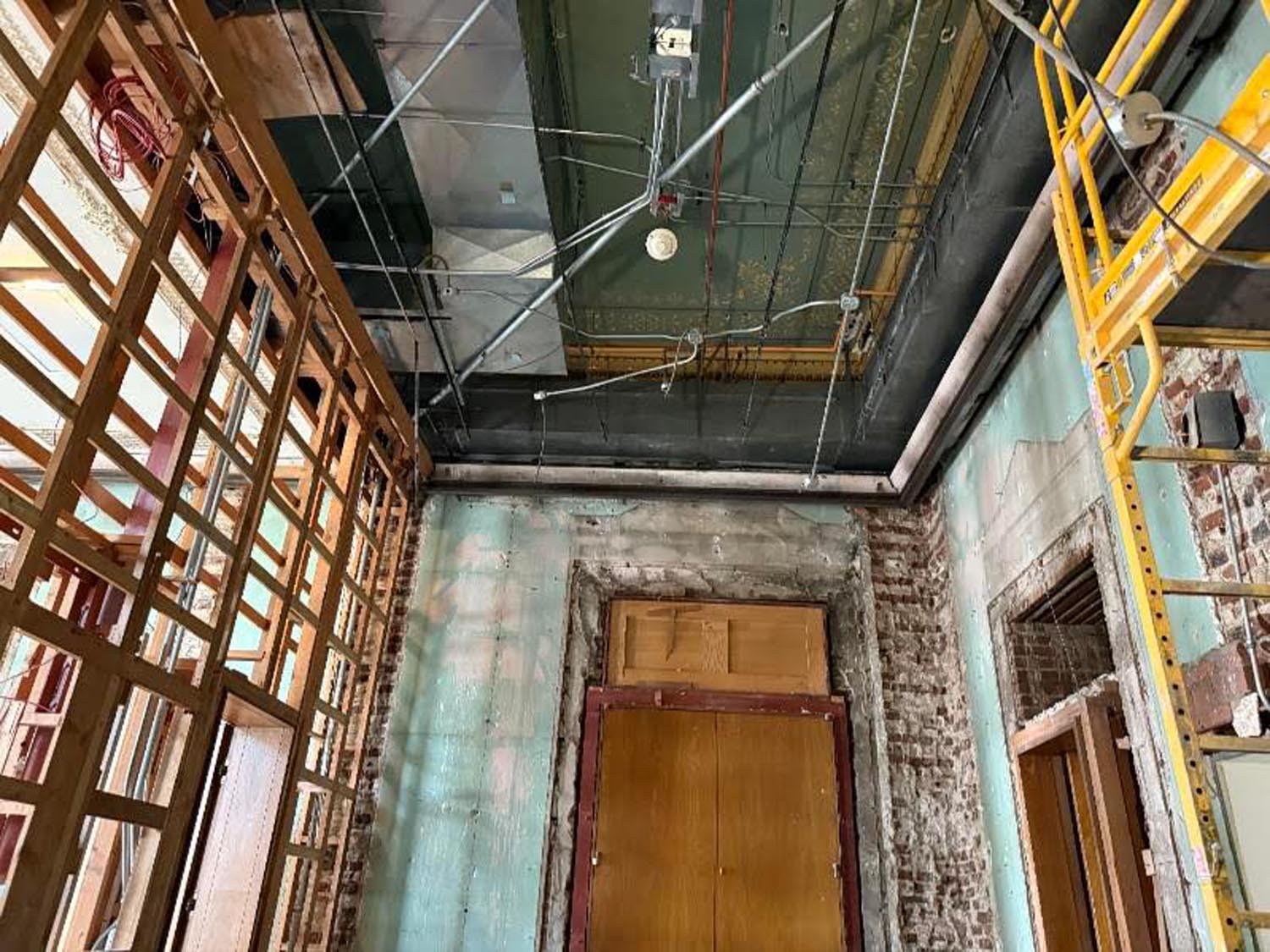
Professional asbestos floor tile and linoleum removal in Sheridan. Safe abatement of 9x9 tiles and black mastic adhesive. Certified hazardous material cleanup.





Field Documentation
Watch our certified teams execute compliant containment, extraction, and restoration work on active projects. This video demonstrates the professionalism and documentation rigor that backs every scope.
We work with all major insurance carriers















Certifications
These are the trust details that continue to matter in procurement reviews, environmental documentation, and regulated project handoffs.
General Abatement Contractor
Colorado CDPHE — GAC No. 26365 · valid through Aug 31, 2027
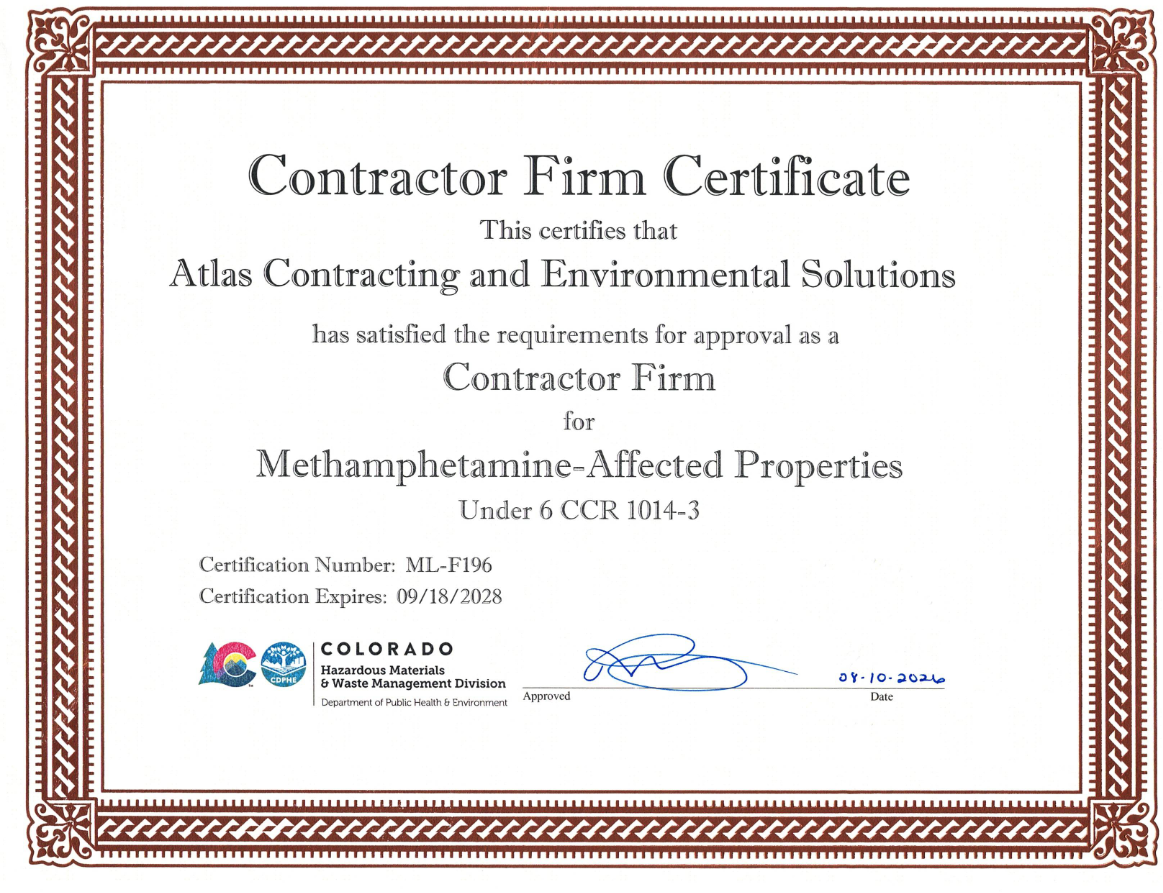
Meth Lab Cleanup
Colorado CDPHE — ML-F196 · valid through Sep 18, 2028
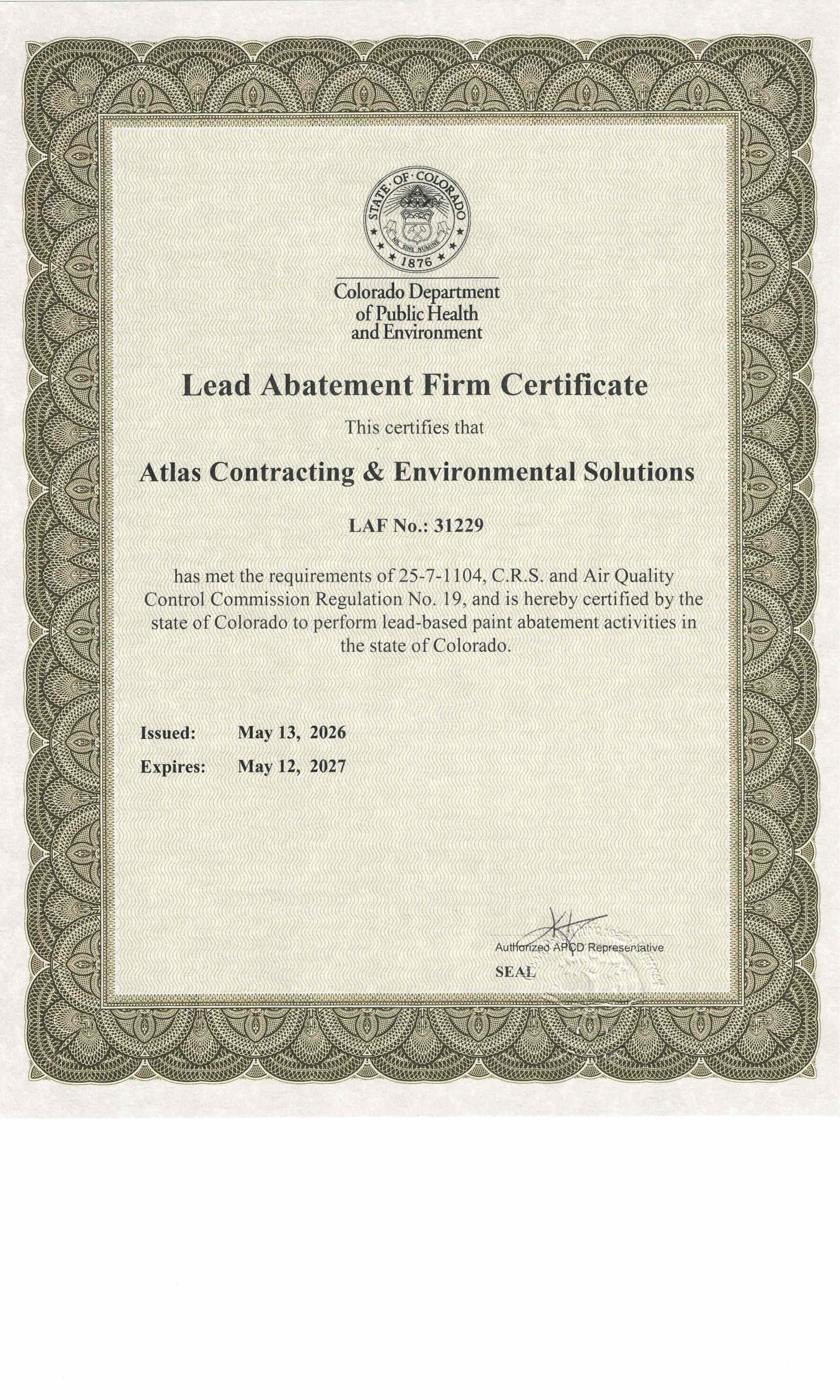
Lead Abatement Firm
Colorado CDPHE - LAF No. 31229 - valid through May 2027
Process
Inspect. Plan. Contain. Remediate. Verify. You get clear steps and documented work — every time.
Site walkthrough, sample collection, written scope of work.
Containment design, disposal pathway, regulator notifications.
Negative-air containment with documented entry/exit protocols.
Certified crews execute under continuous daily documentation.
Final cleanup, clearance testing, project packet for your records.
Trust Signals
Fully licensed, insured, and federally registered for hazardous material remediation across the Denver metro area.
EPA Lead-Safe Certified
NAT-F222667
DUNS Number
117517457
CAGE Code
62FR3
Floor Tile Abatement
Asbestos floor tiles were one of the most widely used building materials in homes and commercial properties built before 1980. The classic 9x9 inch vinyl asbestos tile (VAT) remains one of the most common asbestos-containing materials encountered during renovations and demolitions across the Sheridan and greater Denver metro area. At Atlas Contracting & Environmental Solutions, we specialize in the safe, methodical removal of these tiles along with the hazardous black mastic adhesive that binds them to the subfloor.
Our crew follows strict EPA and CDPHE protocols for every floor tile abatement project. We use non-mechanical removal methods to prevent tile breakage and the release of microscopic asbestos fibers into the air. Each tile is carefully wetted, hand-removed, and double-bagged for transport to a licensed disposal facility. This controlled approach protects your family, your tenants, and our workers from exposure to friable asbestos materials.
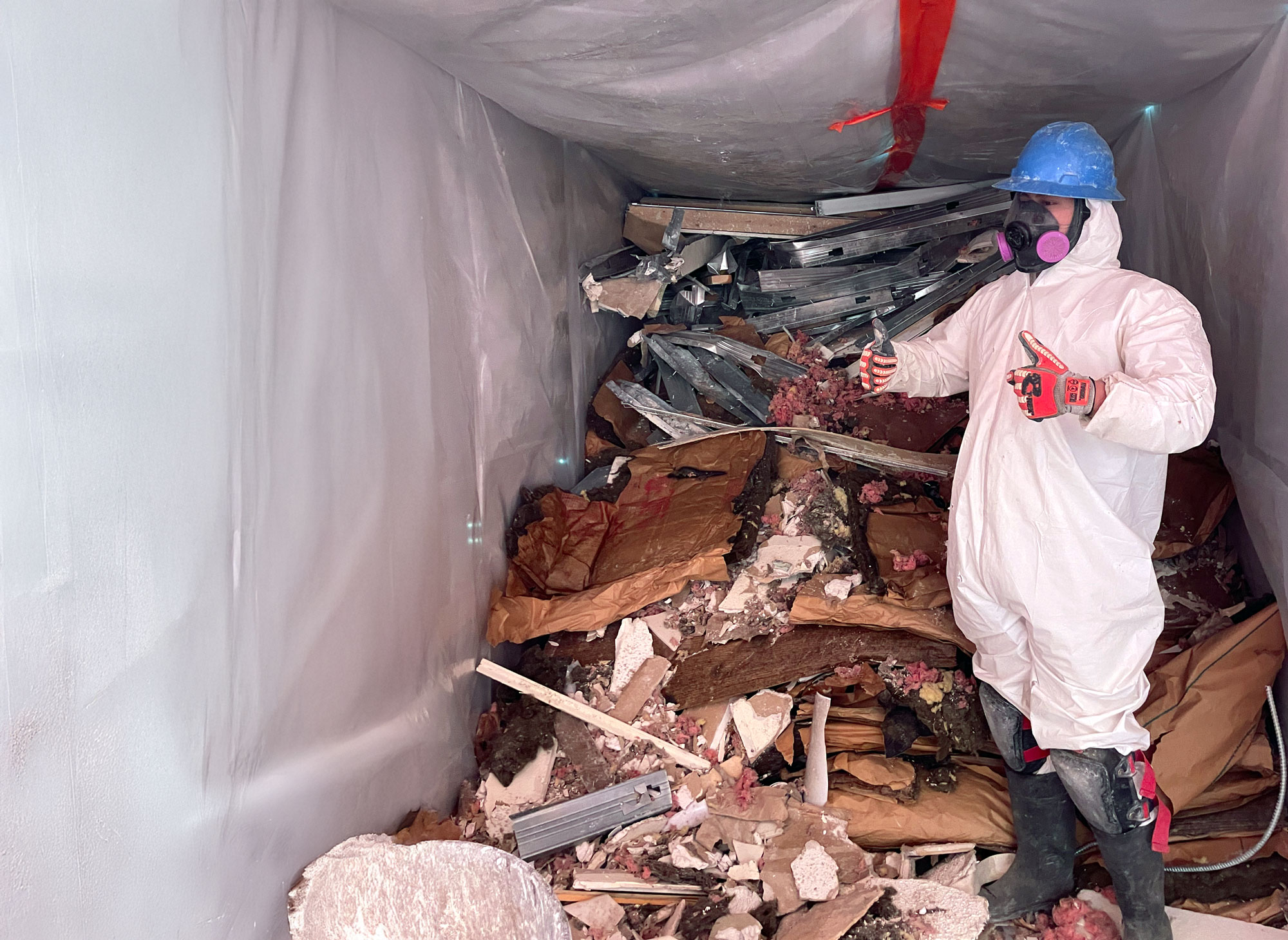
9x9 Vinyl Tiles
Safe removal of classic 9x9 vinyl asbestos tiles (VAT) found in basements, kitchens, and utility rooms. These tiles were manufactured with chrysotile asbestos fibers embedded in the vinyl matrix, making them non-friable when intact but highly dangerous when cracked, sanded, or broken during removal. Our technicians use wet methods and hand tools to keep tiles intact throughout the abatement process, minimizing fiber release and ensuring regulatory compliance.
Linoleum & Sheet Flooring
Abatement of asbestos-backed linoleum and sheet flooring requires a different approach than standard tile removal. The backing material often contains asbestos fibers that become friable when the flooring is pulled from the subfloor. Our team uses controlled-temperature removal techniques and specialized cutting tools to separate the flooring in manageable sections without disturbing the asbestos backing layer. Each section is immediately wetted and sealed in disposal bags.
Non-Mechanical Methods
We never use power tools, grinders, or mechanical scrapers during asbestos floor tile removal. These tools shatter tiles and aerosolize fibers, creating a contamination event that can spread asbestos throughout the building via the HVAC system. Our hand-removal protocol includes amended water spray, manual scraping, and HEPA-filtered negative air machines running continuously in the work zone. This non-mechanical approach is the safest method recognized by the EPA.
Residential & Commercial
Whether you are renovating a mid-century ranch basement in Sheridan or abating flooring in a commercial warehouse, our team scales to fit the project. Residential jobs typically involve smaller contained areas where family safety is the priority. Commercial projects often require phased abatement to keep portions of the building operational. We coordinate scheduling, containment zones, and air monitoring for both property types with equal precision.
Cost Range
$5–$12
per square foot, depending on layers and adhesive complexity
Typical Timeline
1–5 Days
based on square footage, from a 500 sq ft basement to a full commercial floor
Containment
Full Seal
floor-to-ceiling poly barriers with HEPA negative air
Abatement Process
The cost of asbestos floor tile removal depends on several factors specific to your property. Square footage is the baseline, but the number of flooring layers, the condition of the tiles, and whether the black mastic adhesive also contains asbestos all affect pricing. In Sheridan and the surrounding Denver metro communities, most residential floor abatement projects fall between $5 and $12 per square foot. Larger commercial floor areas often qualify for volume-based pricing.
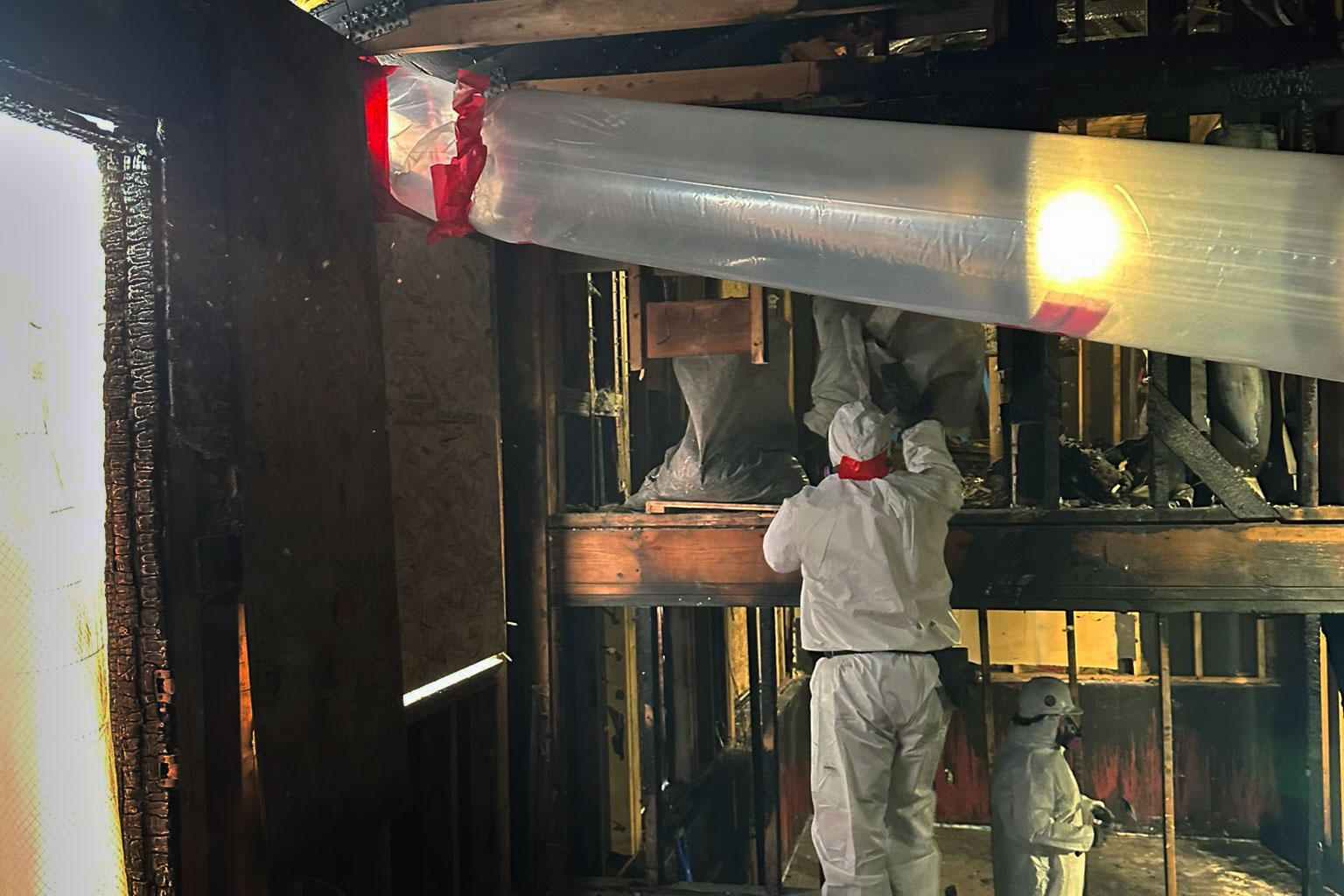
Safety is never optional. Every floor tile removal project begins with full containment: floor-to-ceiling polyethylene sheeting, sealed entries with airlocks, and HEPA-filtered negative air machines creating a pressure differential that prevents fibers from escaping the work zone. Our crew wears full-face respirators with P100 cartridges and disposable Tyvek coveralls. Air monitoring is conducted at the perimeter of the containment zone throughout the project to verify that fiber counts remain below the OSHA permissible exposure limit of 0.1 fibers per cubic centimeter.
The black mastic adhesive found beneath many vintage floor tiles is frequently overlooked during renovations, but it often contains asbestos and must be treated as a regulated material. Our team removes mastic using specialized solvent applications or controlled scraping techniques. We do not use heat guns or aggressive grinding, which can release embedded fibers. The result is a clean, safe subfloor ready for your flooring contractor to begin new installation.
Upon project completion, we provide full documentation including waste manifests, air monitoring results, and a clearance letter confirming the area meets regulatory standards. This documentation is essential for property transactions, tenant reassurance, and compliance with Colorado Department of Public Health and Environment (CDPHE) regulations.
Our Process
Every asbestos floor tile removal project follows a structured process designed to protect occupants, workers, and the environment. From the initial inspection through final clearance testing, each phase is documented and executed according to EPA NESHAP regulations and Colorado state requirements. Here is what you can expect when you hire Atlas Contracting & Environmental Solutions for your floor abatement project in Sheridan or the greater Denver area.
01
We collect bulk samples of your floor tiles, mastic, and any layered materials beneath. Samples are sent to a certified laboratory for polarized light microscopy (PLM) analysis. Results confirm asbestos content and fiber type, allowing us to design the correct abatement plan for your specific materials.
02
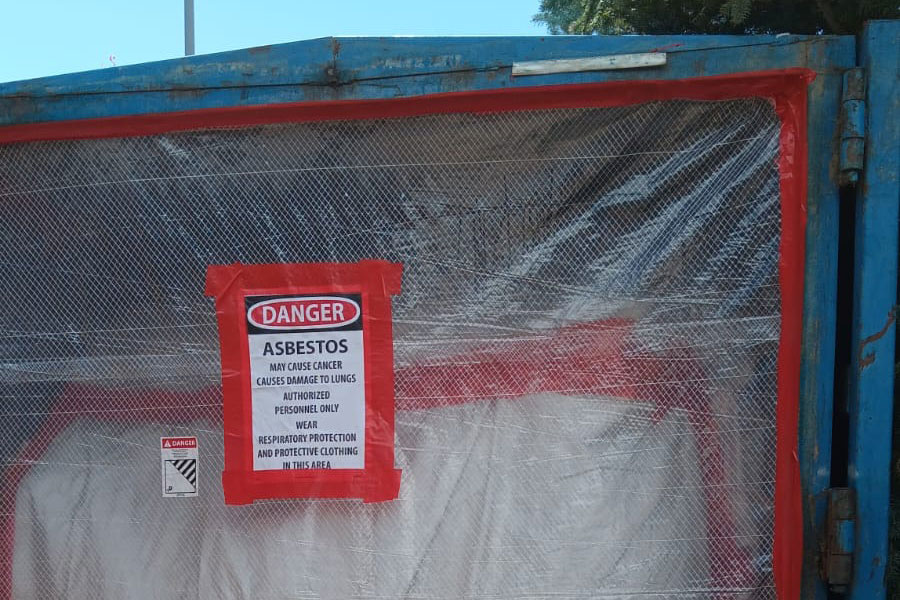
Our crew seals the work area with double-layer polyethylene barriers, establishes a decontamination corridor, and installs HEPA-filtered negative air units. We post CDPHE notification signs and restrict access to authorized personnel only. Air monitoring begins before any tiles are disturbed.
03
Tiles are wetted with amended water and removed by hand using flat-blade scrapers. Intact tiles are placed directly into labeled disposal bags. Broken fragments are collected with HEPA vacuums. Mastic is treated with solvent or carefully scraped, then the subfloor is HEPA-vacuumed and wet-wiped.
04
After removal, a third-party inspector conducts visual inspection and collects air samples for phase contrast microscopy (PCM) analysis. Once fiber counts confirm the area is safe, containment is dismantled and the space is returned to you with full documentation, waste manifests, and a clearance certificate.
Contact Atlas Contracting & Environmental Solutions for a detailed estimate on your asbestos floor tile or mastic removal project in Sheridan and the Denver metro area. EPA Lead-Safe Certified (NAT-F222667).
Recent floor tile removal, mastic abatement, and environmental remediation projects completed by Atlas in the Sheridan and Denver metro area.
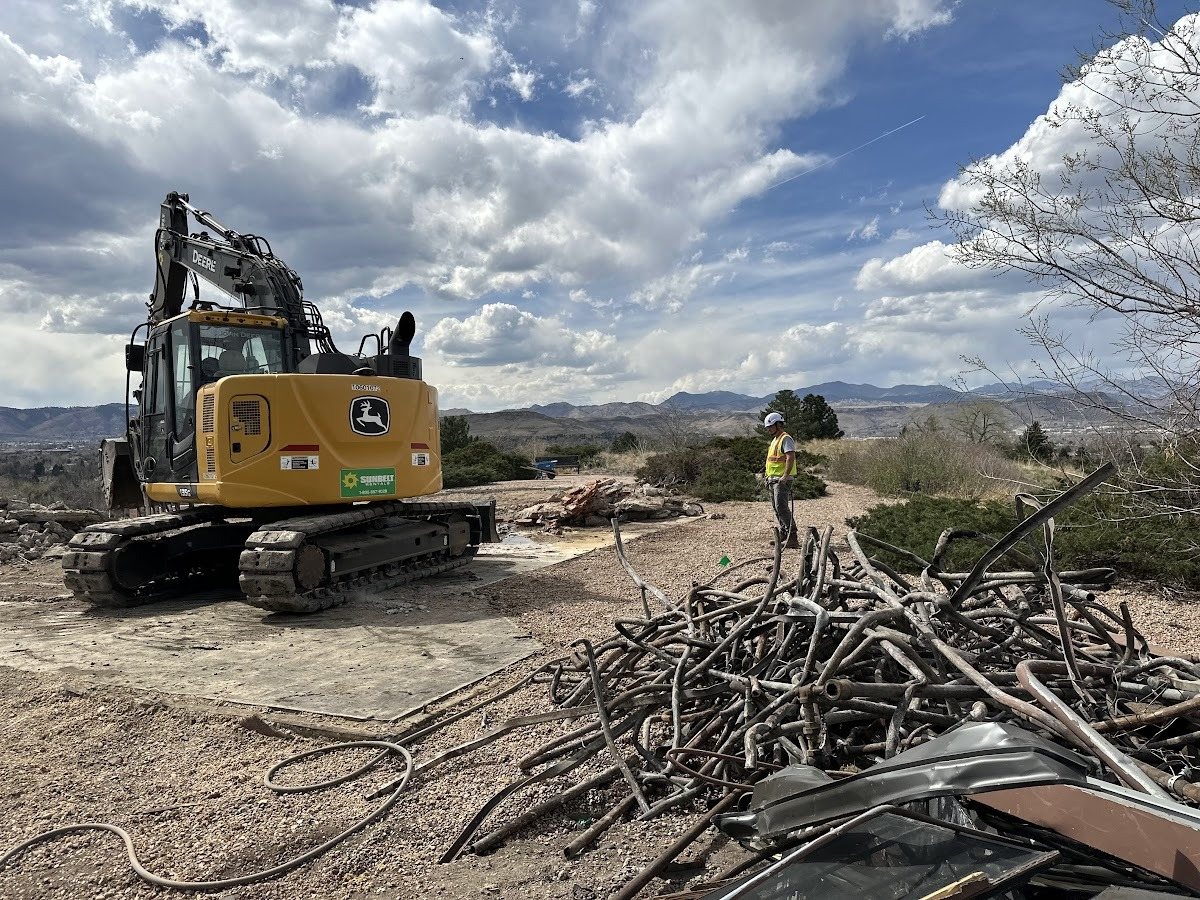
Excavation equipment and staged rebar during an exterior structural demolition and site clearing project.
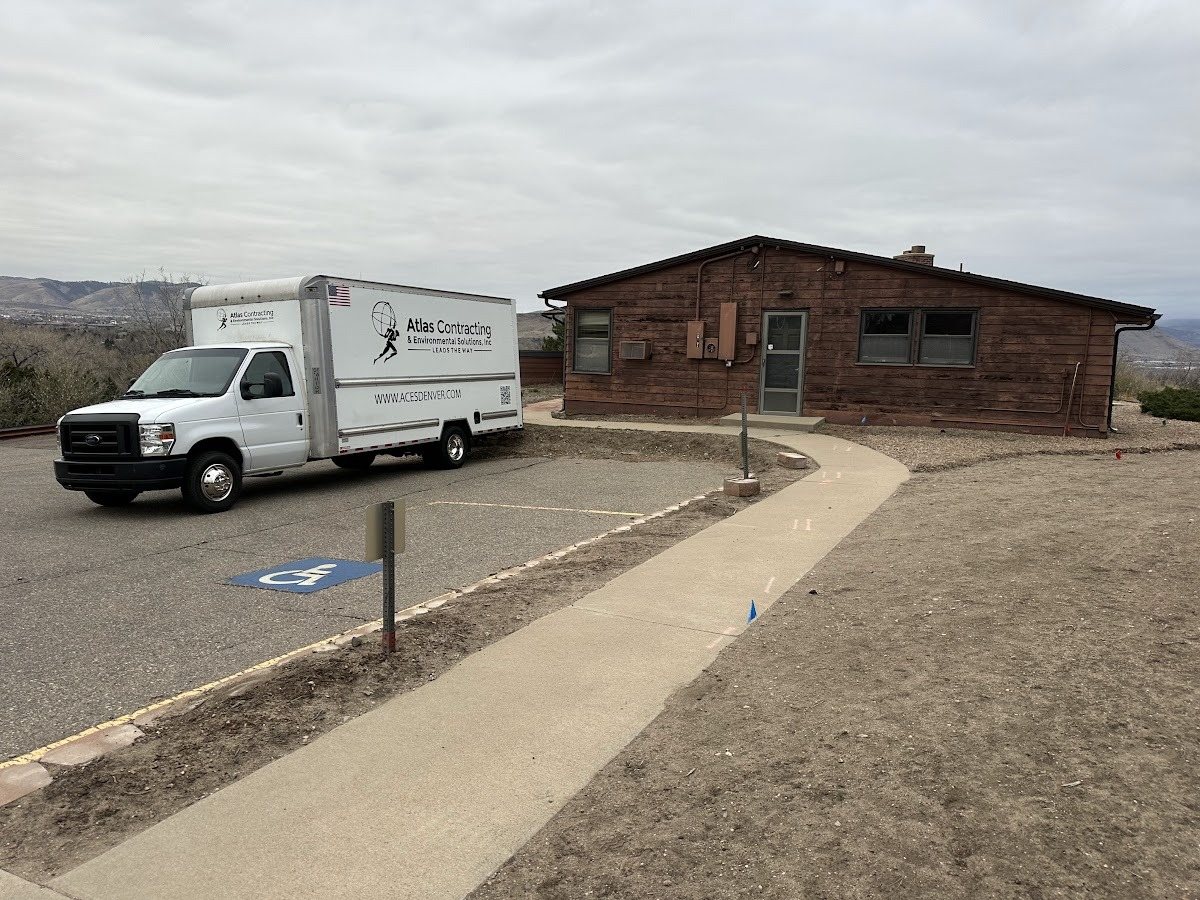
Atlas Contracting truck positioned at a commercial demolition site before exterior structural work begins.
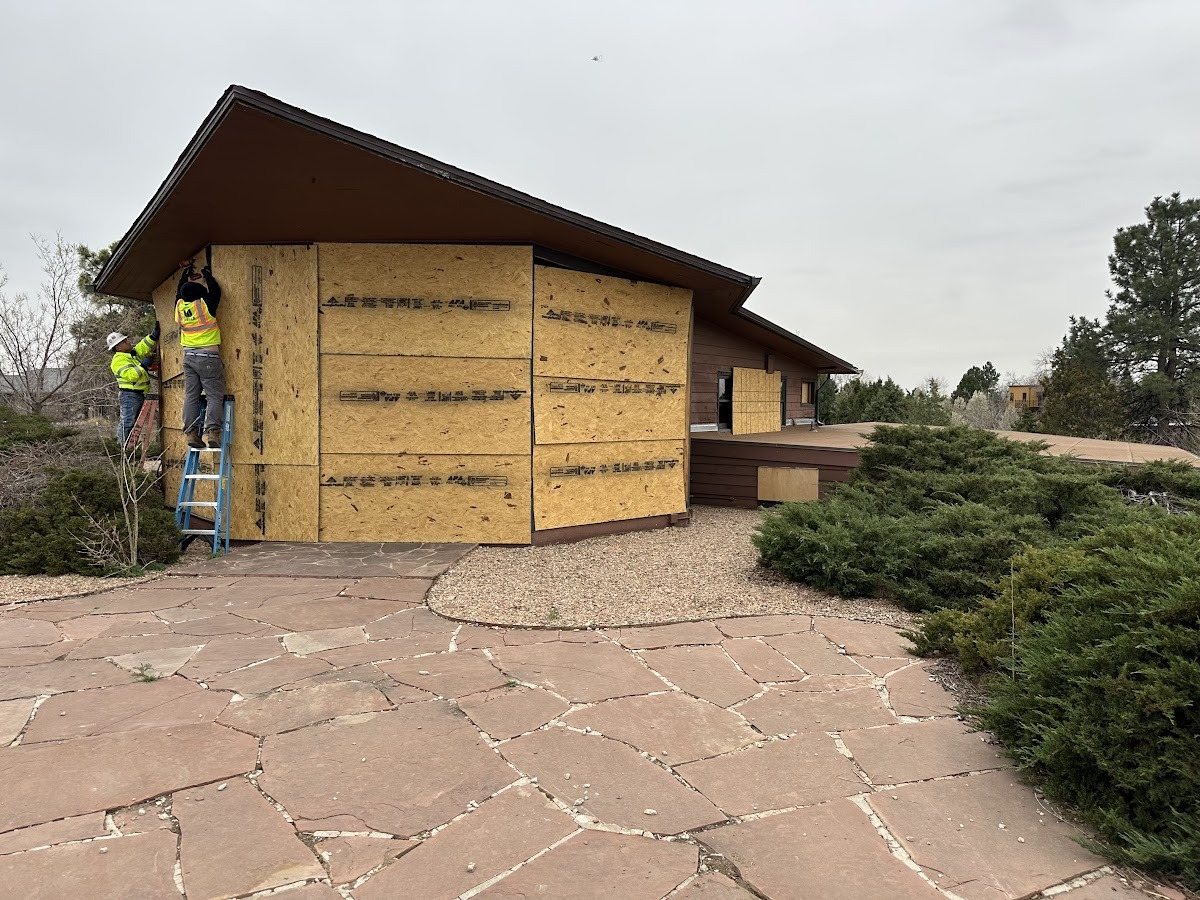
A boarded commercial structure prepared for controlled demolition and site safety work.
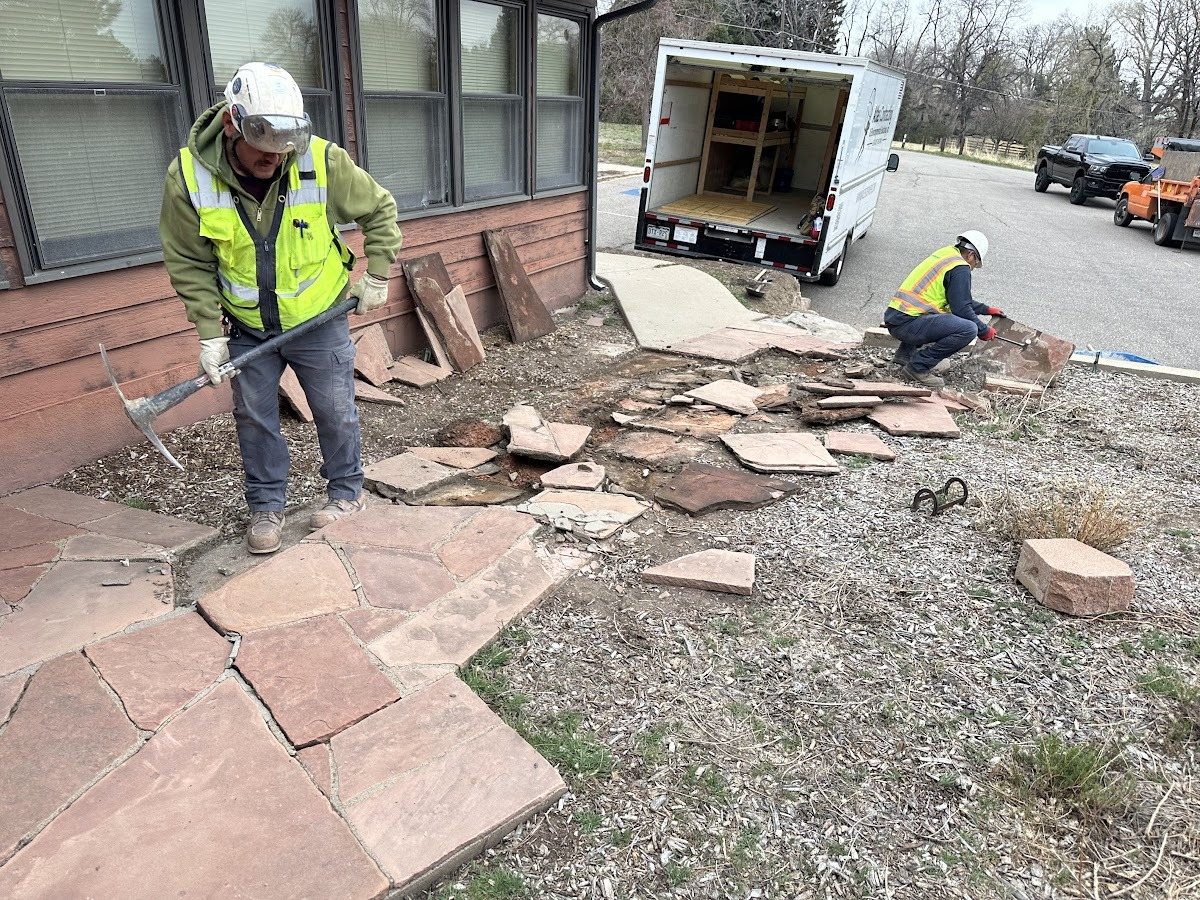
Crew members removing exterior hardscape materials during structural demolition preparation.
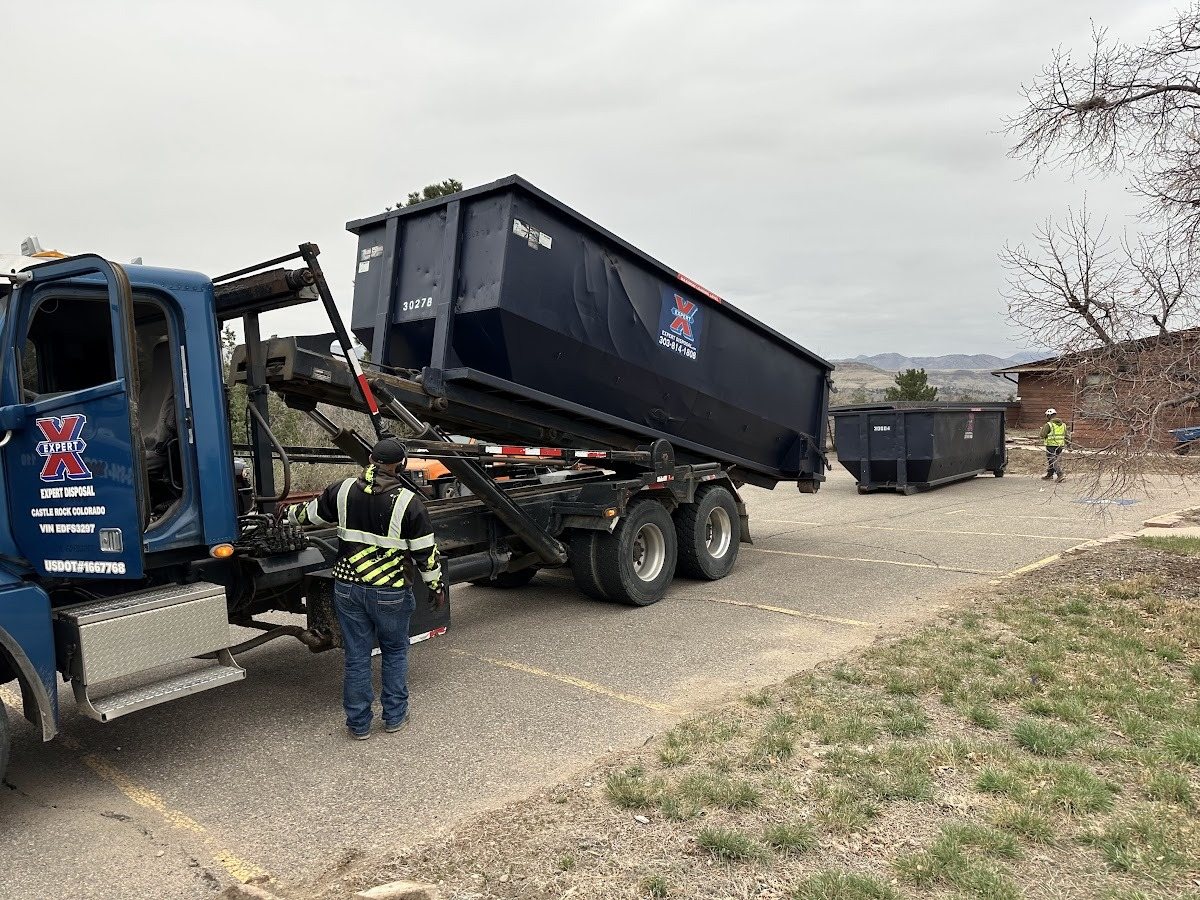
Roll-off container and support truck staged for debris handling during an active demolition project.
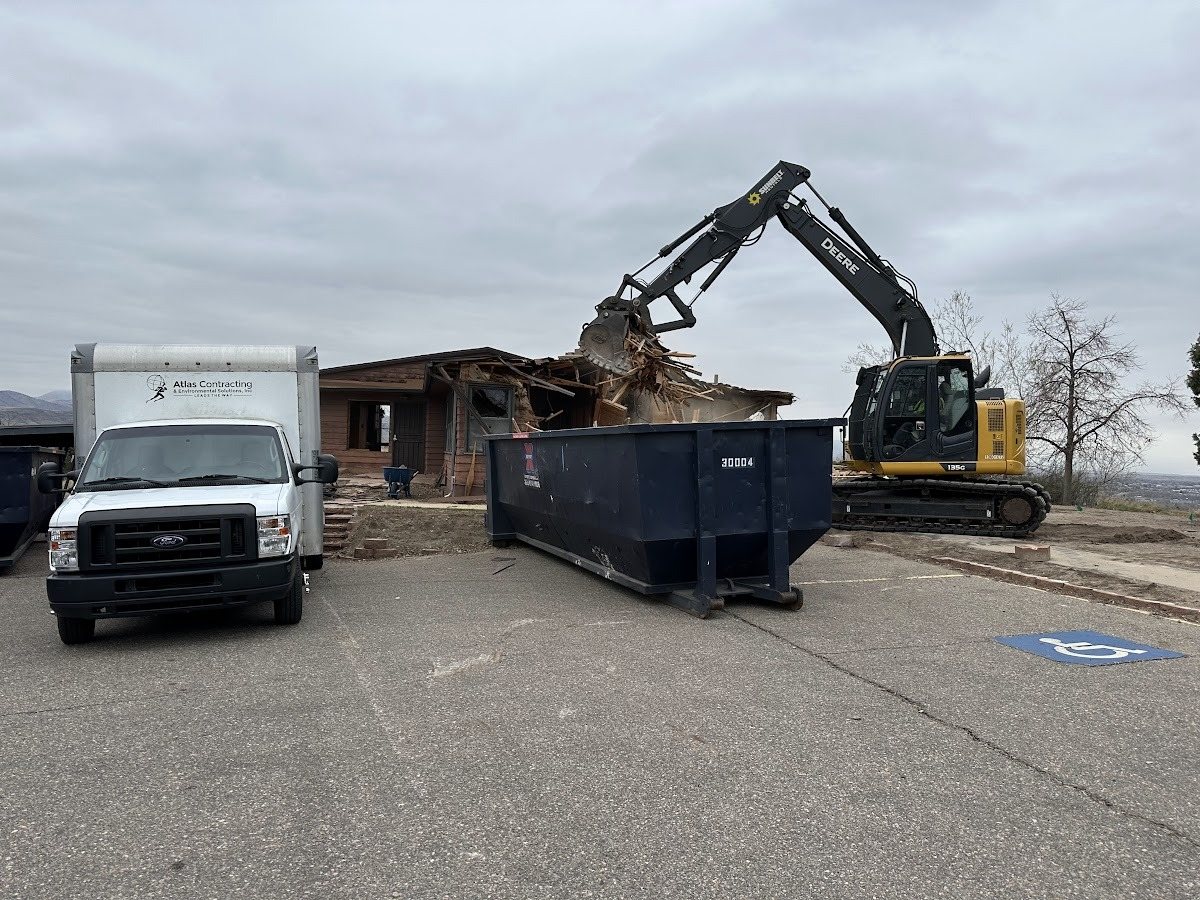
Excavator working alongside roll-off containers as the structure is dismantled under controlled site conditions.
Client Feedback
Read verified reviews from property owners and managers who trusted Atlas for asbestos floor tile removal.
Brian Haugh
2 months ago
Great crew and fast response
georgina Cordero
7 months ago
Steve and his crew, along with Cassandra were amazing. Steve put me at ease with my situation, he took care of everything. They showed up and worked and did an excellent job.
theresa haskin
11 months ago
We had a roof leak in our kitchen caused by a roofer. Rob came out right away and assessed the issue and worked with myself and the roofer. That day he had made a plan for how the job would go, and began setting up equipment to keep my family safe. He walked me through every step of how the job would go and kept my husband and I informed throughout the process. He made sure that the toddler and newborn in my home would be safe throughout the entire demo process. I cannot recommend this company enough.
Doug
11 months ago
This is an honest place. There are so many disreputable companies out there in this industry, but Atlas is not one of them. Quick work, proper abatement to prevent contamination, and friendly service all come with the fairly priced Atlas contract. Nobody wants to have this work done because it usually means things have gone sideways in your home. That said, if you do, call Atlas Contracting and Environmental Solutions; the company is ACES!!!
Jacob Martin
11 months ago
Wonderful experience working with Steve and his knowledgeable and skilled team. 10/10
Rebecca Love
1 year ago
Fast to set up, done promptly and tidy afterwards. Thanks
Common questions about the cost, safety, and process of asbestos floor tile and mastic removal in Sheridan, CO.
Prices usually range from $5 to $12 per square foot. Removing both tile and adhesive (mastic) increases the labor time. Bulk discounts often apply for larger commercial floor areas.
No, tiles can easily break (become friable), releasing fibers. Standard vacuums will spread asbestos fibers throughout the air. Professional abatement ensures your subfloor is safe for new installation.
9x9 inch tiles are a classic indicator of asbestos. Black adhesive (mastic) under tiles often contains asbestos. Only a certified lab test can provide 100% confirmation.
Yes, this is called 'encapsulation,' provided the tiles are in good condition. However, removal is preferred for long-term property value and safety. Adhesion issues can occur if the old tiles are loose or crumbling.
A standard 500 sq. ft. basement usually takes 1-2 days. Large commercial floors may take 3-5 days. Includes time for adhesive removal and final cleaning.
Yes, we use specialized solvents or scraping to remove black mastic. Leaving mastic can interfere with new flooring adhesives. We ensure a clean subfloor for your next contractor.
Yes, air monitoring is standard for regulated asbestos removal. Ensures work area containment is functioning properly. Protects the rest of your home or building.
Tiles are wetted, double-bagged, and labeled. Disposed of at a facility permitted for asbestos waste. Documentation provided upon project completion.
Still have questions?
We're here to help you find the answers.
Atlas Contracting & Environmental Solutions coordinates inspections, containment planning, documentation, and field communication for property owners, facilities teams, and general contractors across Asbestos Floor Tile Removal. That means faster scheduling, cleaner handoffs between trades, and fewer surprises once work begins. We document site conditions carefully, outline the sequence of work before crews mobilize, and keep the project tied to one clear contact path through /contact-us or (303) 241-1938. Instead of treating field work as an isolated crew dispatch, Atlas builds the project around a practical sequence: first stabilize the immediate risk, then document conditions, then coordinate the next trade or clearance requirement so the site never stalls because one handoff was missed.
On projects involving environmental response, the difference is usually in the coordination detail rather than the sales language. The teams that keep schedules intact are the teams that isolate unaffected areas early, account for occupancy concerns before equipment arrives, maintain a clean record of moisture readings or compliance observations, and keep owners informed about what happens next. Atlas uses that structure on residential losses, public-sector work, and commercial projects because the goal is the same in each case: move the site from uncertainty to an orderly plan with the fewest possible surprises.
For owners in Asbestos Floor Tile Removal, that approach matters because delays rarely stay isolated. A missed containment step can expand demolition scope. A weak documentation trail can slow an insurance file or a regulator review. An unclear sequencing plan can leave restoration contractors or tenants waiting on information that should have been established on day one. Atlas keeps those dependencies visible, confirms responsibilities before crews leave site, and makes sure every phase connects cleanly to the next one.
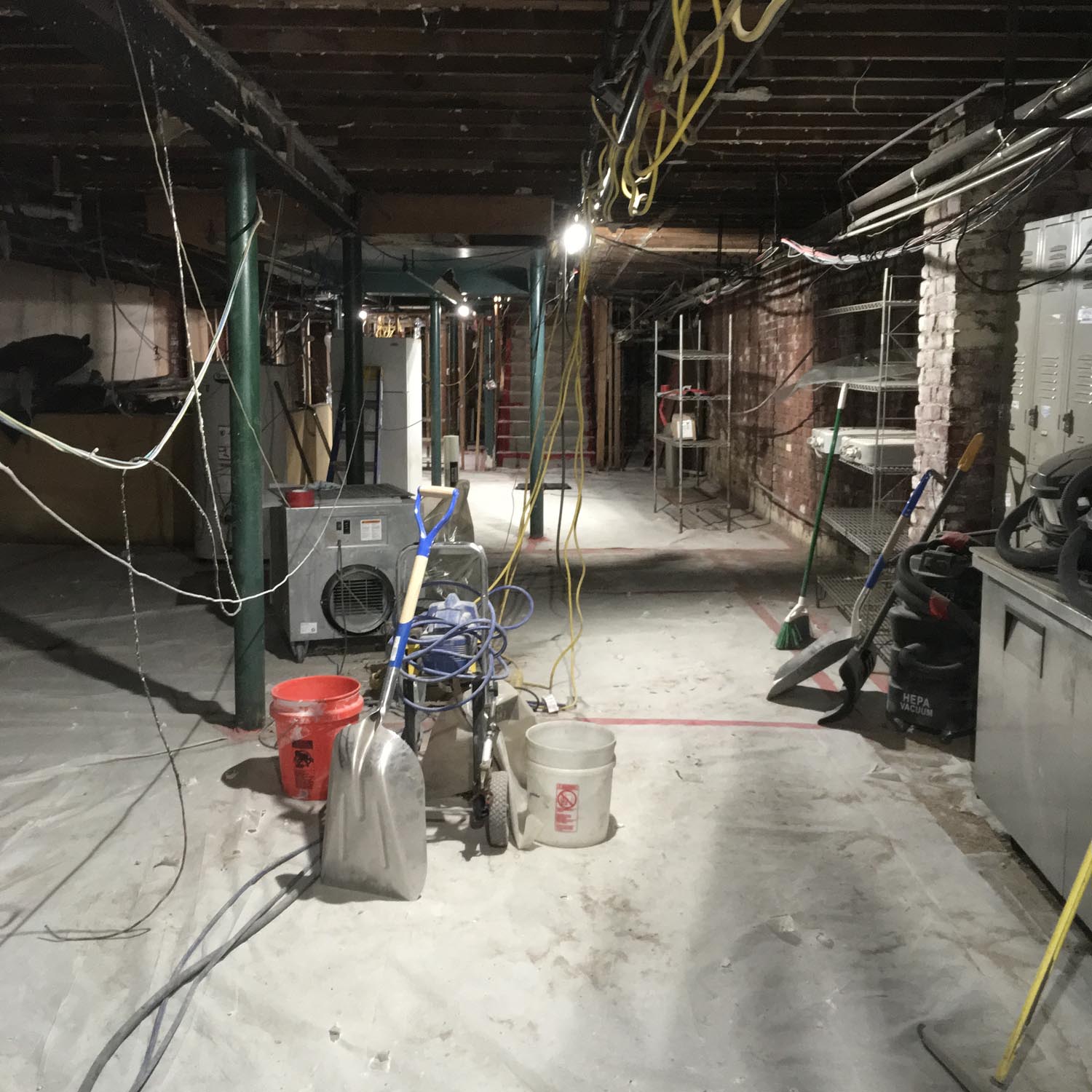
Atlas approaches documentation as part of field execution, not as an administrative afterthought. Photo records, material observations, equipment logs, and site notes are collected while crews are actively working so property owners, adjusters, facilities teams, and follow-on contractors are looking at the same factual record. That reduces disagreement about scope and makes it easier to justify why a contained work area, a selective demolition decision, or a drying continuation was necessary. It also keeps the project from becoming dependent on memory after the fact, which is where many jobs begin to drift.
Site protection is handled with the same mindset. Atlas is not interested in solving one problem by creating three secondary ones. We account for occupant movement, adjacent finishes, equipment staging, dust or humidity migration, and the order in which materials are removed or preserved. When the work is complete for the day, the site should have a defensible status: contained where it needs to be contained, cleaned where it needs to be cleaned, and clearly documented so the next crew or decision-maker understands the current condition without guesswork.
Clear next steps are part of the deliverable. Owners should know whether they are moving into clearance, structural drying continuation, follow-on restoration, selective demolition, insurance review, or a final closeout phase. That forward visibility is especially important on Colorado projects with weather exposure, tenant turnover, public-sector oversight, or tightly sequenced construction schedules. Atlas keeps the conversation grounded in what is actually required on site, what has already been completed, and what is needed to move the job forward without reopening finished work.
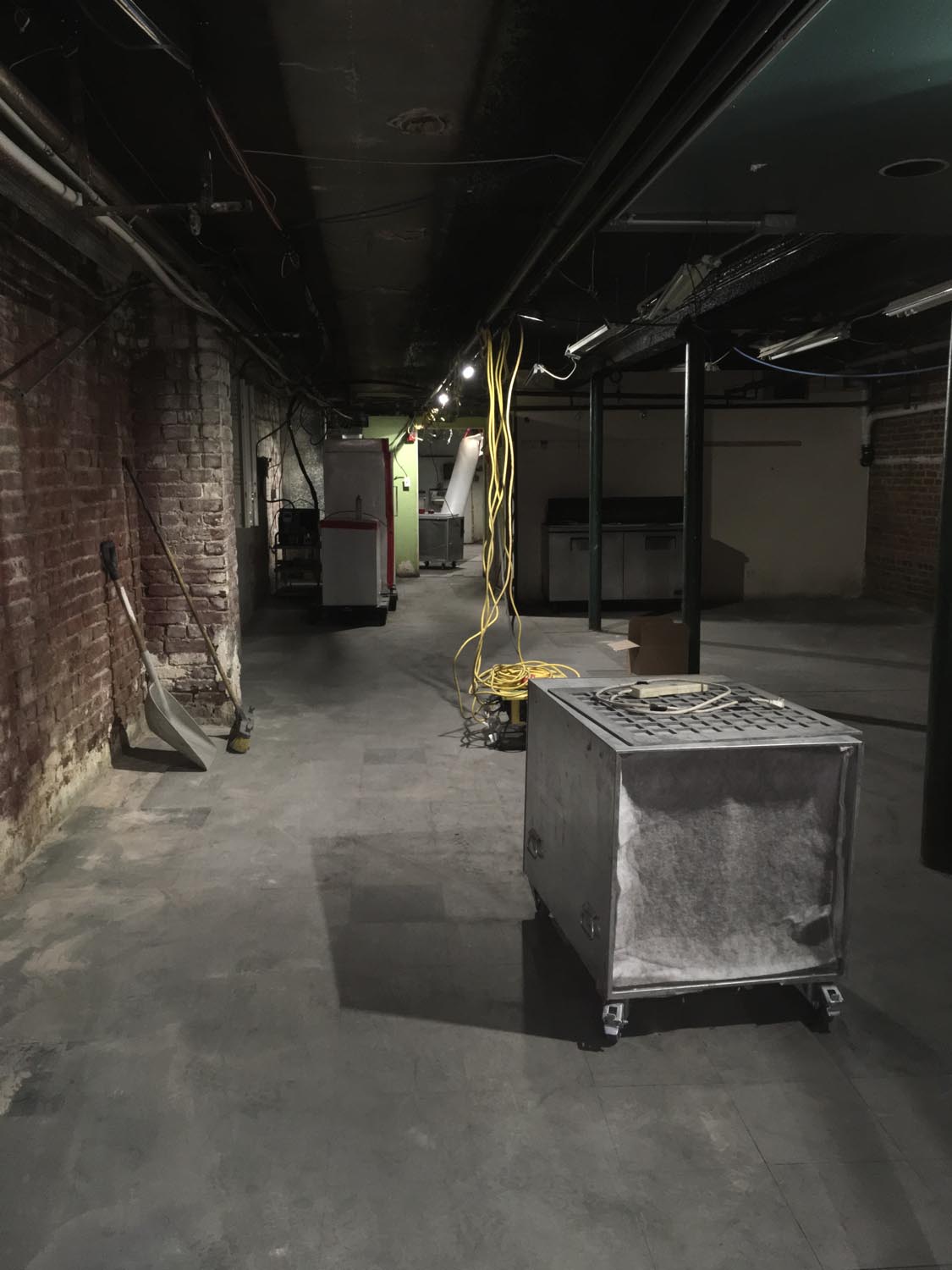
Project updates are framed around site status, not vague progress language. Owners know what changed, what remains open, and what Atlas needs from them to keep work moving.
Containment, material protection, and sequencing are used to keep unaffected areas from becoming part of the job. That protects both schedule and budget.
Every phase should end with a clear record of what was completed and what the next responsible party needs. That is how Atlas reduces rework and stalled handoffs.
Why Atlas
Single-source environmental contractor with regulator-grade documentation, fast mobilization, and a Service Disabled Veteran Owned Business commitment to doing the work right the first time.
Atlas operates with the discipline, accountability, and follow-through you expect from a veteran-led organization.
Colorado CDPHE General Abatement Contractor (GAC No. 26365), certified meth lab cleanup contractor, and EPA Lead-Safe certified — credentials owners verify first.
Loss events do not wait for business hours. Crews mobilize fast across the Front Range to stabilize the property and start the documented scope immediately.
Photographed scope, daily progress logs, third-party clearance where required, and a project packet your insurer or inspector can verify.
Abatement, demolition, water and fire restoration, and reconstruction coordination — handled by one accountable contractor instead of three vendors.
We work with every major Colorado carrier and communicate directly with adjusters, GCs, and facility managers so the project moves without friction.
Insurance Partners
Atlas works with every major insurance carrier in Colorado to streamline your abatement, remediation, and restoration claims. We document scope, photograph progress, and coordinate directly with adjusters so the loss event moves to closure without bouncing between vendors.
15+
Major carriers worked
24/7
Adjuster coordination
Carriers we coordinate with
Don't see your carrier? We coordinate with most additional carriers on request — call to confirm.
10% off every Atlas project, every time.
Atlas extends a standing 10% discount to active and retired military, veterans, police, fire, and EMS personnel. As a Service Disabled Veteran Owned Business, supporting those who serve is part of our charter.
Mention the discount when you contact us. Cannot be combined with other promotional offers.
Discount
10%
Off
Areas We Serve
Atlas mobilizes across the Front Range. Whether asbestos, lead, meth, or storm/water response, our certified crews arrive quickly to minimize risk and restore your property safely.